
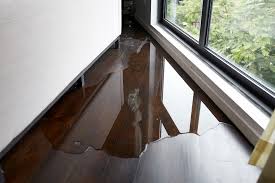
Flooding can strike unexpectedly, leaving homeowners facing stress, damage, and uncertainty. Understanding the process of flooding restoration is crucial to protect your property, ensure safety, and recover quickly. This guide will walk you through everything you need to know about flooding restoration, from immediate actions to long-term prevention.
Understanding Flood Damage
Flood damage is not just about water in your home. It can affect structural integrity, electrical systems, furniture, and personal belongings. The first step in flooding restoration is recognizing the types of damage that may occur. Standing water can weaken floors and walls, while high humidity can promote mold growth. Electrical systems exposed to water pose a risk of fires or electrocution, so professional assessment is essential.
Immediate Steps After a Flood
When your home experiences flooding, swift action can minimize damage and reduce restoration costs. Start by ensuring your family’s safety and avoiding areas with standing water if electricity is active. Document the damage with photos or videos for insurance purposes. Contact your insurance company promptly and follow their instructions regarding claims.
Next, focus on water removal. Pumping out water should be done carefully to prevent further structural damage. Many homeowners turn to professional services for flooding restoration because experts have the equipment and knowledge to extract water efficiently and safely.
Drying and Dehumidification
After removing standing water, the drying process begins. This is a critical phase in flooding restoration. Using fans, dehumidifiers, and proper ventilation helps reduce moisture in walls, floors, and furniture. Proper drying prevents mold growth, which can appear within 24 to 48 hours after a flood. Professionals often use industrial-grade equipment to ensure all hidden moisture is eliminated, especially in basements or under flooring.
Cleaning and Disinfection
Flood water often contains contaminants, including bacteria, sewage, and chemicals. Thorough cleaning and disinfection are essential to make your home safe again. Surfaces like countertops, floors, and walls should be cleaned with specialized cleaners and disinfectants. Personal items such as clothing, toys, and mattresses may need professional treatment or safe disposal.
Mold Remediation
Mold is one of the most common and dangerous consequences of flooding. If left untreated, it can cause health problems like allergies, respiratory issues, and skin irritation. Flooding restoration experts inspect for mold growth and use containment methods, antifungal treatments, and proper ventilation to remove it. Early intervention is key to preventing extensive mold infestations.
Structural Repairs
Flooding can compromise the structure of your home. Floors, walls, and foundations may require repair or replacement. Professional flooding restoration services assess structural damage and provide solutions, from minor repairs to major reconstruction. Ignoring structural damage can lead to costly problems in the future, including weakened support beams or water leaks.
Electrical and HVAC Systems
Water damage to electrical and HVAC systems can be dangerous. Only licensed professionals should inspect and repair these systems after a flood. Flooding restoration involves ensuring that wiring, outlets, and appliances are safe to use. HVAC systems, including ducts and air filters, may also need cleaning or replacement to prevent mold and bacteria from spreading throughout the home.
Insurance and Financial Considerations
Understanding your insurance coverage is vital in flooding restoration. Many homeowner policies cover water damage, but specifics vary depending on the cause of flooding. Keep detailed records of damage, restoration efforts, and receipts for repairs. Working closely with insurance adjusters can streamline the claims process and help you receive the compensation needed to restore your home.
Choosing a Flooding Restoration Professional
Selecting a reliable flooding restoration company is crucial. Look for certifications, experience, and customer reviews. Professional services provide comprehensive restoration, including water removal, drying, mold remediation, and structural repairs. Hiring experts ensures the process is completed safely and efficiently, minimizing long-term damage.
Preventing Future Flood Damage
Flooding restoration is not just about repairing current damage—it’s also about prevention. Consider installing sump pumps, backflow valves, and improved drainage systems around your home. Elevating appliances and valuable items above potential flood levels can reduce future losses. Regular maintenance of gutters, downspouts, and landscaping can help prevent water from accumulating near your foundation.
Emergency Preparedness
Being prepared for future floods can make a significant difference in the restoration process. Create an emergency plan for your family, keep essential documents in waterproof containers, and maintain emergency kits with food, water, and supplies. Awareness of flood-prone areas and monitoring weather alerts allows you to act quickly when a threat arises.
The Role of Technology in Flooding Restoration
Advancements in technology have greatly improved flooding restoration. Moisture meters, infrared cameras, and advanced dehumidification systems allow professionals to detect hidden water and ensure thorough drying. Restoration software helps track the progress of repairs, documentation, and communication with insurance providers. Embracing technology ensures faster, safer, and more efficient recovery.
Health Considerations
Flooding restoration is not only about property—it’s about health. Exposure to contaminated water, mold, and chemicals can cause immediate and long-term health issues. Wearing protective gear, following professional guidance, and ensuring proper cleaning of your home are essential steps to protect yourself and your family.
Conclusion
Flooding restoration is a complex process that involves water removal, drying, cleaning, structural repair, and mold remediation. Acting quickly, working with professionals, and planning for the future are key steps to recovering from flood damage. By understanding the entire restoration process and taking preventive measures, homeowners can safeguard their property, protect their health, and minimize financial losses.
Flooding may be devastating, but with proper knowledge and action, restoration is possible, and your home can be safe, dry, and welcoming again.