
Introduction
The transportation landscape in Saudi Arabia has undergone a remarkable transformation in recent years, especially with the introduction of modern rail infrastructure. Among the most significant developments is the Haramain High-Speed Railway, known in Arabic as قطار الحرمين السريع, which connects the holy cities of Makkah and Madinah through Jeddah and King Abdullah Economic City. This advanced railway system has changed how pilgrims, tourists, and residents travel across these major destinations. Comparing it with traditional transport options such as buses, private cars, and taxis reveals a major shift in speed, comfort, safety, and efficiency.
Overview of the Haramain High-Speed Railway
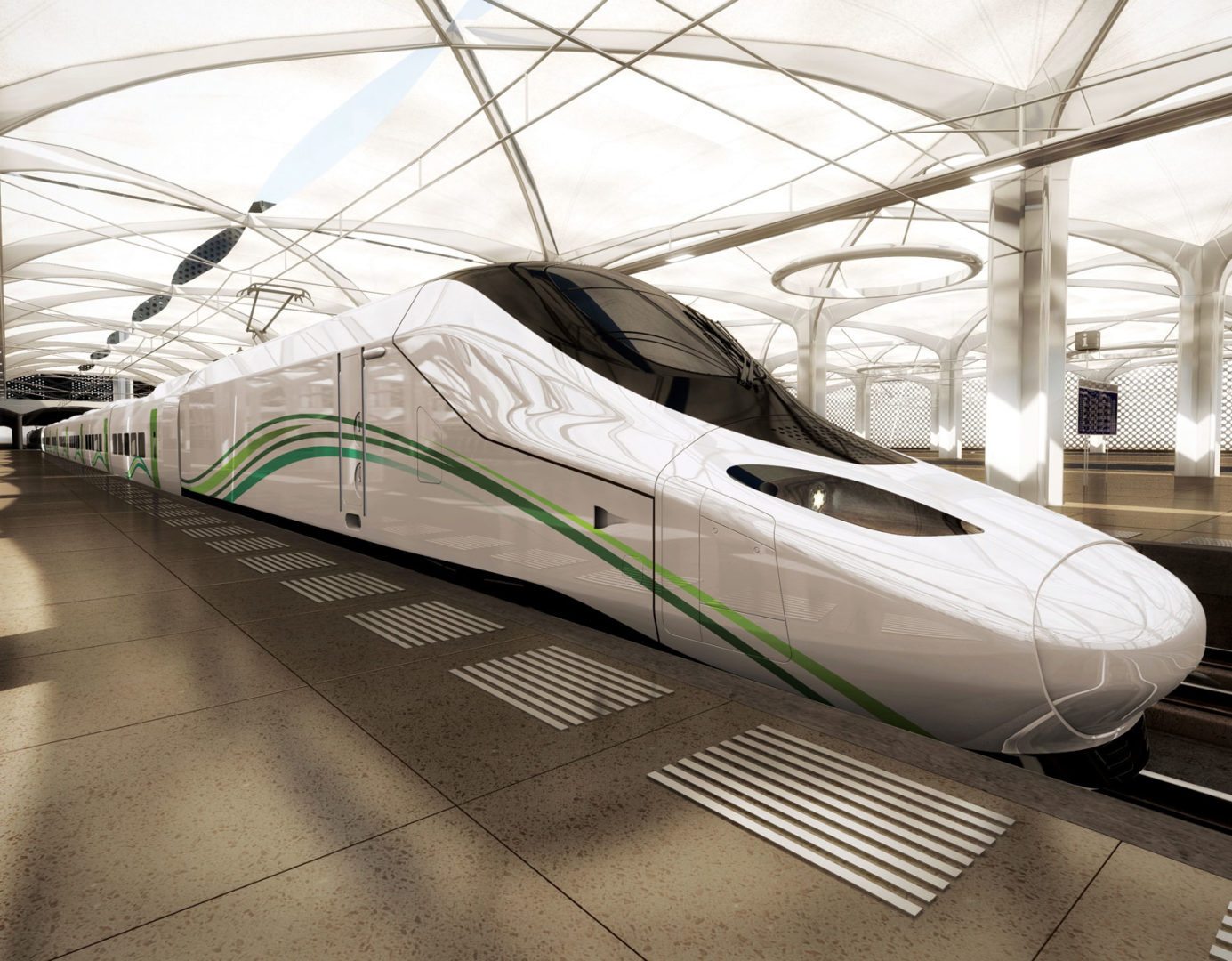
The Haramain High-Speed Railway (قطار الحرمين السريع) is one of the fastest rail systems in the Middle East, designed to operate at speeds of up to 300 km/h. It significantly reduces travel time between Makkah and Madinah to approximately two and a half hours, compared to the five to seven hours typically required by road transport. The railway is fully electric, environmentally friendly, and equipped with modern facilities including comfortable seating, digital ticketing, luggage storage, and onboard services.
The project is not only a transportation system but also a symbol of modernization in Saudi Arabia’s Vision 2030 initiative. It aims to improve connectivity between key cities while enhancing the experience of millions of pilgrims who travel for Hajj and Umrah every year.
Traditional Transport Options Explained
Before the introduction of the high-speed railway, travelers relied heavily on buses, private vehicles, and taxis. These traditional transport methods are still widely used today, especially for their flexibility and availability.
Buses are the most economical option, operated by both government and private companies. They offer scheduled services between major cities but often face delays due to traffic congestion and long stops along the route.
Private cars provide more comfort and flexibility, allowing travelers to stop whenever needed. However, long-distance driving between Makkah and Madinah can be tiring, especially for international visitors unfamiliar with the routes.
Taxis offer convenience but are usually expensive for long-distance travel. They are often chosen by small groups or travelers seeking direct point-to-point transportation without waiting for schedules.
Speed and Travel Time Comparison
One of the most significant differences between the Haramain High-Speed Railway (قطار الحرمين السريع) and traditional transport is travel time. The railway completes the journey between Makkah and Madinah in around 2.5 hours. In contrast, buses typically take 5 to 7 hours, depending on traffic and stops, while private cars may take 4 to 6 hours.
This difference in speed makes the railway a preferred choice for time-sensitive travelers, especially pilgrims with limited schedules. The efficiency of rail travel also reduces fatigue, allowing passengers to arrive more refreshed compared to long road journeys.
Comfort and Passenger Experience
Comfort is another area where the high-speed railway clearly outperforms traditional transport. The trains are designed with spacious seating, air conditioning, clean interiors, and smooth rides that minimize motion discomfort. Passengers can move freely within the train, access restrooms easily, and enjoy a quieter travel environment.
In contrast, buses often have limited space, less legroom, and variable comfort depending on the operator. Long road trips can become exhausting, especially during peak pilgrimage seasons when vehicles are crowded. Private cars offer more comfort than buses but require the driver to stay alert for long hours, reducing overall convenience.
Safety and Reliability
Safety is a major advantage of the Haramain High-Speed Railway (قطار الحرمين السريع). The system is equipped with advanced signaling, automated controls, and strict maintenance protocols. This reduces the risk of accidents compared to road transport.
Road travel, especially during busy seasons like Hajj and Ramadan, can involve heavy traffic, driver fatigue, and unpredictable conditions. Accidents, although not extremely common, are still a concern on long desert highways. The railway provides a more controlled and predictable travel environment, making it a safer alternative.
Cost Comparison
When it comes to cost, traditional transport options generally offer more variety. Buses are the cheapest way to travel between cities, making them popular among budget-conscious travelers. Private cars can vary in cost depending on fuel prices, maintenance, and tolls, while taxis are usually the most expensive option for long-distance travel.
The high-speed railway is moderately priced, sitting between budget buses and private taxis. While it may be more expensive than buses, many travelers find the added comfort, speed, and reliability worth the cost. For pilgrims, especially those on tight schedules, the value provided by the railway often outweighs the price difference.
Environmental Impact
One of the key advantages of the Haramain High-Speed Railway is its environmental efficiency. As a fully electric system, قطار الحرمين السريع produces significantly lower carbon emissions compared to cars and buses. It helps reduce traffic congestion on highways and contributes to a more sustainable transportation network.
Traditional transport, especially private vehicles and buses, relies heavily on fossil fuels and contributes to air pollution and carbon emissions. With increasing global attention on sustainability, the railway represents a major step forward in eco-friendly travel.
Accessibility and Convenience
The railway stations are strategically located in Makkah, Madinah, Jeddah, and King Abdullah Economic City, making them accessible for most travelers. The stations are modern, well-equipped, and designed to handle large passenger volumes efficiently.
However, traditional transport still offers greater door-to-door flexibility. Buses and taxis can pick up passengers from almost any location, which is convenient for those staying outside major transport hubs. Private cars offer the highest level of convenience in terms of route flexibility, though they require personal driving effort.
Which Option is Better?
Choosing between the Haramain High-Speed Railway (قطار الحرمين السريع) and traditional transport depends on individual priorities. If speed, comfort, and safety are the main concerns, the railway is the superior choice. It is especially beneficial for pilgrims who need efficient travel between holy cities.
On the other hand, if cost savings and flexibility are more important, buses and private cars remain practical options. Each mode of transport serves a different type of traveler, and the availability of multiple choices ensures that everyone can find a suitable way to travel.
Conclusion
The introduction of the Haramain High-Speed Railway (قطار الحرمين السريع) has significantly reshaped transportation in Saudi Arabia. By offering faster travel times, improved comfort, enhanced safety, and environmental benefits, it stands as a modern alternative to traditional transport options. While buses, taxis, and private cars continue to play an important role, the railway represents the future of intercity travel in the region. As infrastructure continues to develop, the balance is gradually shifting toward faster, smarter, and more sustainable transportation solutions.