
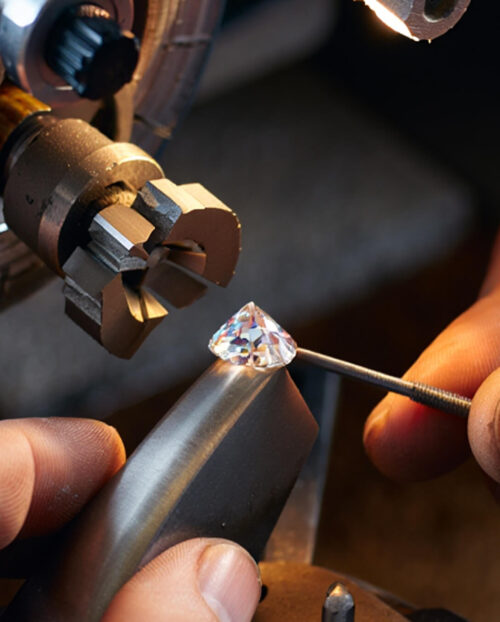
Diamond cutting has always been an art form that combines precision, skill, and a deep understanding of the stone’s natural properties. Over centuries, diamantskæring evolved from rudimentary cleaving techniques to highly sophisticated methods designed to maximize a diamond’s brilliance, fire, and overall value. In modern times, technology has become a central player in diamond cutting, transforming traditional methods and allowing professionals to achieve levels of accuracy and efficiency previously unimaginable.
How Technology Enhances Precision in Diamond Cutting
The essence of diamond cutting lies in achieving precise angles and facets that optimize light reflection within the stone. Historically, diamond cutters relied on hand tools, magnifying glasses, and their own experience to shape stones. While skilled artisans could produce beautiful results, the margin for error was significant. Modern diamond cutting has drastically improved this process through computer-aided design (CAD) software and laser-guided machinery.
CAD software allows cutters to model a diamond virtually before making any physical cuts. By analyzing the internal inclusions, color zoning, and shape of the rough diamond, cutters can plan the most effective way to maximize carat weight while enhancing brilliance. This pre-planning stage reduces waste and ensures that each facet is cut to exact specifications.
Laser cutting technology has further revolutionized diamond cutting practices. With lasers, cutters can make incredibly precise incisions, often accurate to a fraction of a millimeter. This allows for more intricate shapes, reduces the risk of cracking or chipping the diamond, and increases the overall yield from a rough stone.
The Impact of 3D Imaging and Mapping
Another technological advancement reshaping diamond cutting is the use of 3D imaging and mapping systems. These systems scan the rough diamond in high resolution, creating a detailed map of its internal structure. This allows cutters to identify inclusions, fractures, and other imperfections that could affect the final stone. By understanding the internal architecture, cutters can make strategic decisions about where to place cuts to enhance both durability and aesthetic appeal.
These 3D models are often integrated with CAD software, providing a seamless workflow from analysis to execution. This integration ensures that every facet is positioned to optimize light performance, resulting in diamonds with exceptional fire, scintillation, and brilliance.
Automation and Robotics in Diamond Cutting
While the artistry of diamond cutting remains deeply human, automation and robotics are increasingly part of the process. Robotic arms equipped with precision tools can execute repetitive tasks with unmatched accuracy, such as polishing facets to a consistent thickness. This allows skilled diamond cutters to focus on creative and strategic decisions, while machines handle precise, labor-intensive work.
Automation also improves consistency across large production runs. For jewelry manufacturers that need multiple diamonds of uniform quality, robotics ensure that each stone meets the same high standards. This is particularly important in industrial applications, where precise cuts can impact the stone’s durability in tools and equipment.
Artificial Intelligence in Optimizing Diamond Yield
Artificial intelligence (AI) is making its way into diamond cutting practices as well. AI algorithms analyze rough diamonds to determine the most profitable cutting strategy. By taking into account factors like clarity, color, and carat weight, AI can suggest cuts that maximize the stone’s value while minimizing waste.
This technology is especially valuable for high-value diamonds, where even minor losses in carat weight can represent significant financial setbacks. AI-driven analysis helps cutters make data-backed decisions, reducing guesswork and increasing the efficiency of the cutting process.
Technological Advances in Polishing and Finishing
Polishing is a critical stage in diamond cutting that impacts the stone’s overall brilliance. Modern polishing machines use high-precision motors and diamond-coated tools to achieve an even, reflective surface on each facet. These machines can adjust pressure, speed, and angle in real-time based on sensor feedback, producing superior finishes with minimal human error.
Additionally, technologies like laser inscription allow for microscopic engravings on diamonds, which can serve as identification marks or branding without affecting the stone’s appearance. These innovations demonstrate how technology enhances not just the cut itself, but also the traceability and security of the diamond throughout its lifecycle.
The Role of Technology in Sustainable Practices
Sustainability has become a growing concern in the diamond industry. Efficient cutting technologies help reduce waste, ensuring that more of the rough diamond is converted into sellable stones. By maximizing yield, modern diamond cutting practices contribute to more responsible resource management.
Moreover, digital planning and AI optimization reduce the need for trial-and-error methods, further minimizing the environmental impact of diamond production. Technology allows companies to achieve the delicate balance between profitability, artistry, and ethical responsibility.
Future Trends in Diamond Cutting Technology
The future of diamond cutting is poised to blend even more innovation with craftsmanship. Emerging technologies like quantum computing and advanced AI simulations may allow cutters to predict light behavior within diamonds with unprecedented accuracy. Virtual reality (VR) could enable designers to “step inside” a diamond model to assess facets from every angle before cutting.
Additionally, continued improvements in laser precision, robotics, and automation will further streamline the process, making high-quality diamond cutting more accessible to a broader range of jewelers and manufacturers. These technological advancements will continue to redefine what is possible in the art of diamond cutting.
Conclusion
Technology has transformed diamond cutting from a labor-intensive craft into a highly precise and optimized process. CAD software, lasers, robotics, AI, and 3D imaging have all contributed to higher yields, enhanced brilliance, and consistent quality. These innovations allow diamond cutters to make more informed decisions, reduce waste, and maintain ethical standards, all while preserving the artistry that has defined the craft for centuries.
Modern diamond cutting is no longer just about skill with a hand tool—it is a sophisticated interplay of human expertise and technological innovation. As technology continues to advance, the possibilities for creating stunning, flawless diamonds will expand, solidifying the role of technology as a cornerstone of contemporary diamond craftsmanship.