
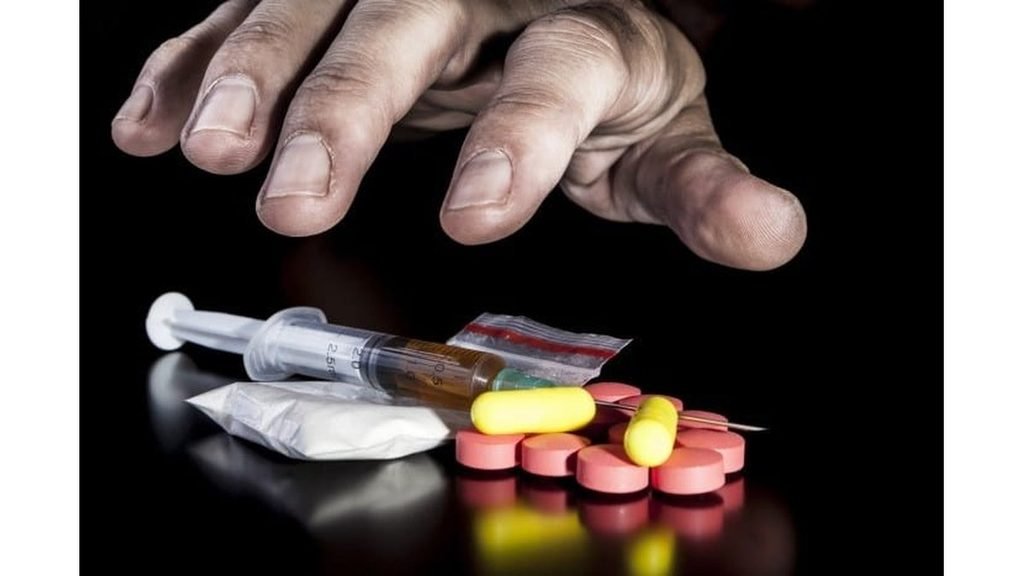
Discovering that your teenage child is struggling with substance abuse or chemical dependency is one of the most frightening experiences a family can face. Whether an adolescent is experimenting with high-potency cannabis, prescription medications, illicit drugs, or alcohol, substance use during these critical developmental years can rapidly progress into addiction. Securing immediate, specialized care through an accredited rehabilitation program is essential to protect your child’s health, brain development, and future.
Connecting with specialized drug rehab for adolescent programs gives families access to multidisciplinary clinical teams, trauma-informed care, and structured residential environments designed specifically for youth.
Understanding Adolescent Brain Vulnerability to Addiction
The teenage brain undergoes significant neurodevelopmental changes. Neural networks governing emotional processing, social bonding, and stress response develop early, whereas the prefrontal cortex—the region responsible for impulse control, decision-making, and long-term risk assessment—does not fully mature until a person reaches their mid-twenties.
This developmental gap creates a heightened biological vulnerability to substance use disorders. When an adolescent uses drugs or alcohol, the surge of dopamine flooding their reward pathway is experienced far more intensely than in an adult brain. Consequently, the teenage brain rapidly forms chemical associations between substance use and stress relief, causing addiction to develop significantly faster in adolescents than in adults.
Substance abuse during adolescence can also lead to long-term neurobiological disruptions, including:
- Reduced memory capacity, impaired concentration, and lower academic performance.
- Increased risk of developing chronic mood disorders, such as major depression or generalized anxiety.
- Diminished emotional regulation and reduced tolerance for daily stress.
- Weakened impulse control in high-risk social situations.
Enrolling a teenager in specialized rehabilitation early prevents these neurobiological impacts from becoming permanent.
Identifying Warning Signs of Youth Substance Abuse
Teenagers often go to great lengths to hide drug or alcohol use from parents and authority figures. Remaining vigilant regarding physical, behavioral, and emotional changes helps caregivers intervene before a crisis occurs.
Common red flags that an adolescent may need drug rehabilitation include:
- Behavioral Shifts: Extreme secrecy, locking bedroom doors continuously, unexplained absences, or lying about peer groups and activities.
- Academic Decline: A sudden drop in grades, chronic truancy, or loss of interest in sports and extracurricular activities.
- Physical Symptoms: Bloodshot eyes, dilated or constricted pupils, unexplained weight changes, frequent nosebleeds, or slurred speech.
- Emotional Volatility: Extreme mood swings, intense hostility, sudden emotional withdrawal, or severe depressive episodes.
- Presence of Paraphernalia: Finding vape devices, rolling papers, small baggies, unexpected pill bottles, or strange odors on clothing and in bedrooms.
When multiple warning signs appear together, seeking a professional substance use assessment is vital.
The Crucial Need for Dual-Diagnosis Trauma Care
Substance abuse in teenagers rarely occurs in isolation. In most cases, adolescent drug or alcohol use is a secondary coping behavior stemming from underlying emotional pain or unaddressed trauma. Teenagers frequently use substances to self-medicate the symptoms of severe depression, social anxiety, complex PTSD, or ADHD.
Effective rehabilitation centers utilize dual-diagnosis models that treat co-occurring mental health disorders alongside chemical dependency simultaneously. Treating substance abuse without addressing underlying emotional distress or trauma leads to high relapse rates, as the adolescent continues to lack healthy coping mechanisms for internal pain.
Integrated dual-diagnosis care includes:
- Comprehensive Psychiatric Assessments: Evaluating the teenager’s complete mental health history to identify co-occurring disorders.
- Non-Addictive Medication Management: Utilizing safe psychiatric medications when necessary to stabilize mood or anxiety.
- Therapeutic Synergy: Structuring individual therapy so that trauma processing, emotional regulation, and addiction recovery skills are addressed concurrently.
Parents exploring treatment options can research drug rehab for adolescent options to find facilities specializing in integrated dual-diagnosis and trauma care.
Evidence-Based Modalities in Youth Rehabilitation
Specialized adolescent addiction treatment relies on scientifically supported psychological modalities designed for young minds:
- Cognitive Behavioral Therapy (CBT): CBT helps teenagers identify unhelpful thought patterns, recognize triggers for substance use, and build practical skills to resist peer pressure and manage cravings.
- Dialectical Behavior Therapy (DBT): DBT teaches concrete skills in distress tolerance, emotional regulation, and mindfulness, giving teens tools to handle emotional stress without turning to drugs or alcohol.
- Motivational Interviewing (MI): A non-confrontational counseling style that helps adolescents resolve ambivalence about quitting substance use and cultivates internal motivation for recovery.
- Experiential Modalities: Incorporating art, music, equine-assisted therapy, and outdoor recreation allows teens to process emotions non-verbally and rediscover healthy joy without chemical substances.
The Role of Family Involvement in Long-Term Sobriety
Adolescent substance abuse impacts the entire family unit, causing mistrust, chronic stress, and communication breakdowns. Likewise, a teenager’s long-term recovery depends heavily on a supportive, well-equipped, and structured home environment.
Leading adolescent recovery centers require active family participation throughout the treatment process. Through weekly family therapy sessions, educational workshops, and parent coaching, caregivers learn to:
- Identify and eliminate enabling behaviors that unintentionally prolong substance use.
- Rebuild trust through transparent communication and clear accountability structures.
- Establish firm, compassionate house rules and drug-testing protocols.
- De-escalate high-stress situations safely and support their child’s relapse prevention plan.
Engaging parents ensures that the home environment reinforces the healthy boundaries and coping strategies the adolescent learns during rehabilitation.
Building a Relapse Prevention and Aftercare Strategy
Completing formal residential rehabilitation is a major milestone, but long-term recovery requires continuous support after discharge. An aftercare strategy serves as a protective roadmap as the adolescent transitions back into their home, school, and community environment.
Key components of an effective aftercare plan include:
- Weekly outpatient counseling with a licensed adolescent addiction therapist.
- Ongoing psychiatric follow-up appointments for medication management.
- Enrollment in youth-focused recovery groups or peer support networks.
- Academic accommodations, such as flexible online study programs or transition support.
- Clear crisis management protocols and emergency contact lists for parents.
By utilizing dedicated drug rehab for adolescent resources, families provide their children with the medical expertise, psychological foundation, and long-term support necessary to overcome addiction and build a healthy future.