
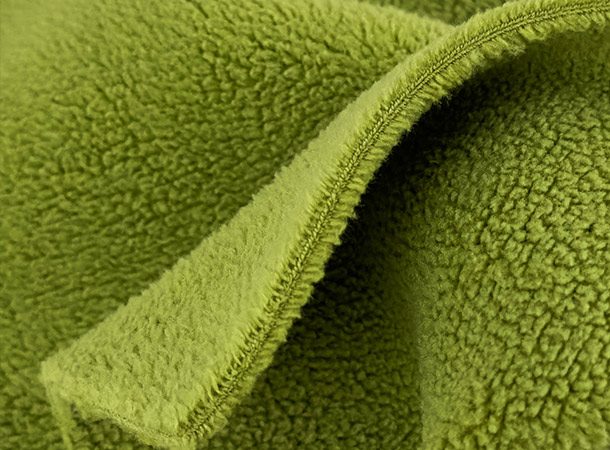
Polar Fleece Fabric is a synthetic textile made primarily from polyester, designed to mimic the warmth and softness of wool while remaining lightweight and quick-drying. It was first developed as an alternative to natural wool, especially for outdoor and athletic wear, where insulation and moisture control are important. Unlike natural fibers, Polar Fleece Fabric is engineered through a process that transforms recycled plastic bottles or petroleum-based fibers into a soft, brushed material with excellent thermal properties.
This fabric has become widely popular in jackets, hoodies, blankets, gloves, and winter accessories because of its ability to retain heat even when wet, making it a reliable choice for cold-weather clothing.
Composition and Manufacturing Process
Polar Fleece Fabric is made from polyester fibers that are knitted into a base fabric and then brushed to create a soft, fluffy surface. This brushing process raises fine fibers that trap air, forming an insulating layer. The trapped air is what gives fleece its excellent warmth-to-weight ratio.
Most modern fleece is produced using recycled polyester, particularly from PET bottles. These bottles are cleaned, shredded into flakes, melted, and spun into fibers. This makes Polar Fleece Fabric not only functional but also environmentally friendly compared to many traditional synthetic textiles.
The fabric can also be treated with additional finishes such as anti-pilling coatings, water resistance, or antimicrobial treatments, depending on its intended use.
Key Properties of Polar Fleece Fabric
Lightweight Structure
One of the most appreciated features of Polar Fleece Fabric is its lightweight nature. Despite providing significant warmth, it does not feel heavy on the body. This makes it ideal for layering in winter clothing systems where mobility and comfort are important.
Excellent Thermal Insulation
The structure of Polar Fleece Fabric allows it to trap air efficiently, creating a natural barrier against cold temperatures. Even though it is not as dense as wool, it often performs just as well in moderate cold conditions. This insulating ability makes it a go-to fabric for outdoor enthusiasts, hikers, and athletes.
Breathability
Unlike many synthetic fabrics that trap heat and moisture, fleece allows some level of airflow. This breathability helps regulate body temperature during physical activity, preventing overheating while still keeping the wearer warm.
Moisture Resistance
Polar Fleece Fabric does not absorb water easily. Instead, it repels moisture and dries quickly when it becomes wet. This makes it especially useful in environments where rain, snow, or sweat are common. However, it is not fully waterproof, so it is often paired with outer shells in extreme weather gear.
Soft Texture and Comfort
The brushed surface of fleece gives it a soft, plush feel against the skin. This comfort factor is one of the main reasons it is widely used in casual wear and home textiles such as blankets and loungewear.
Durability
Despite being soft, Polar Fleece Fabric is quite durable. It resists tearing and can withstand repeated washing without losing its shape. However, over time, it may develop pilling, which is the formation of small fiber balls on the surface.
Types of Polar Fleece Fabric
Microfleece
Microfleece is the lightest version of Polar Fleece Fabric. It is thinner, softer, and often used in base layers or lightweight garments. It provides moderate warmth without bulk, making it ideal for indoor or mild-weather use.
Midweight Fleece
This is the most commonly used type and offers a balance between warmth and breathability. Midweight fleece is often used in hoodies, jackets, and sweatshirts.
Heavyweight Fleece
Heavyweight fleece is designed for extreme cold conditions. It is thicker and denser, providing maximum insulation. It is commonly used in winter jackets and outdoor gear.
Advantages of Polar Fleece Fabric
One of the biggest advantages of Polar Fleece Fabric is its versatility. It can be used in both fashion and performance wear. It is also affordable compared to natural fibers like wool or cashmere, making it accessible to a wide range of consumers.
Another major benefit is its quick-drying nature. Unlike cotton, which retains moisture, fleece dries rapidly, reducing discomfort in wet conditions. Additionally, its resistance to shrinking and wrinkling makes it low-maintenance and easy to care for.
The fabric is also hypoallergenic in most cases, meaning it is less likely to cause skin irritation compared to some natural fibers.
Disadvantages of Polar Fleece Fabric
Despite its many benefits, Polar Fleece Fabric does have some limitations. One concern is its tendency to attract lint, dust, and pet hair due to static electricity. This can make it appear less clean over time.
Another issue is pilling, which can reduce the aesthetic quality of the fabric after repeated use. While anti-pilling treatments help, they do not completely eliminate the problem.
Environmental concerns are also associated with fleece, particularly microplastic shedding. When washed, small plastic fibers can break off and enter water systems, contributing to pollution. However, newer manufacturing technologies and washing bags designed to trap microfibers are helping reduce this impact.
Common Uses of Polar Fleece Fabric
Clothing
Polar Fleece Fabric is widely used in jackets, hoodies, sweaters, and athletic wear. Its insulation and comfort make it a favorite for both outdoor gear and casual fashion.
Outdoor Equipment
It is commonly used in sleeping bags, blankets, and camping gear due to its lightweight warmth and moisture resistance.
Home Textiles
Fleece blankets, throws, and robes are popular household items because they provide warmth and softness without being heavy.
Accessories
Items like gloves, hats, scarves, and socks often use fleece for added insulation during winter.
Care and Maintenance Tips
Polar Fleece Fabric is relatively easy to care for. It can be machine washed in cold or warm water using mild detergent. Avoid using fabric softeners, as they can reduce the fabric’s moisture-wicking ability.
It is best to air dry fleece items or tumble dry on low heat. High heat can damage the fibers and increase pilling. To maintain its softness, washing fleece inside out is also recommended.
Environmental Impact and Sustainability
Modern production of Polar Fleece Fabric has shifted significantly toward sustainability. Many manufacturers now use recycled polyester, reducing plastic waste and lowering dependence on virgin petroleum resources.
However, the issue of microplastic pollution remains a challenge. Innovations such as microfiber filters, improved fabric blends, and eco-friendly washing practices are helping reduce the environmental footprint of fleece production and use.
Conclusion
Polar Fleece Fabric is a highly versatile, lightweight, and insulating textile that has transformed modern clothing and outdoor gear. Its combination of warmth, softness, and durability makes it suitable for a wide range of applications, from fashion to performance wear. While it does have some environmental and maintenance drawbacks, ongoing innovations continue to improve its sustainability and performance.
Understanding the properties of Polar Fleece Fabric helps consumers make informed choices, whether they are selecting winter clothing, outdoor equipment, or cozy home textiles.