
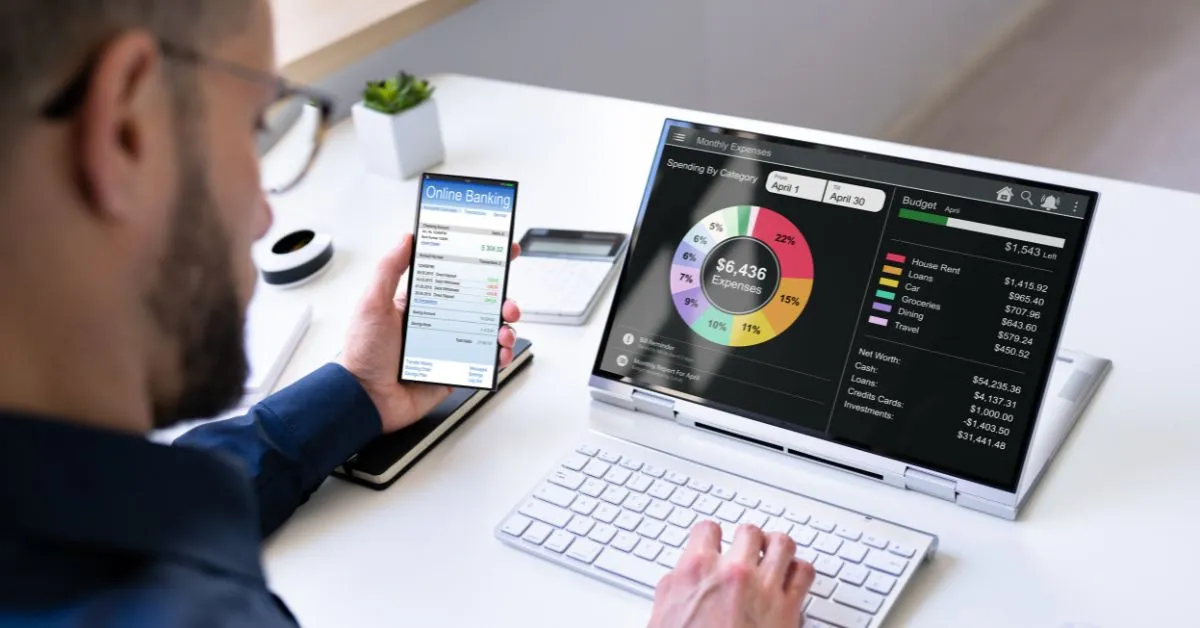
Managing money effectively has become an important part of everyday life. From paying household bills and tracking expenses to building savings and planning for future goals, small financial decisions can have a major impact over time. Fortunately, technology has made personal money management more accessible. Today, people can use free online tools for personal finance to organize their finances, understand spending habits, and make more informed monthly decisions.
These tools can be especially helpful for people who want to improve their financial habits without paying for expensive software or professional services. Whether you are trying to control unnecessary spending, create a realistic budget, or save for a major purchase, online financial tools can provide useful information in a simple format.
Understanding Your Monthly Financial Picture
Before making financial changes, it is important to understand where your money is going. Many people know their monthly income but have less awareness of how much they spend on smaller purchases. Coffee, subscriptions, transportation, dining, shopping, and other everyday expenses can gradually add up.
Budgeting tools can help organize income and expenses into categories. By entering or reviewing monthly figures, users can see how much money goes toward essential costs and how much remains for savings, debt payments, or discretionary spending.
This information provides a clearer picture of financial habits. Instead of relying on memory, you can use actual numbers to make decisions about your monthly budget.
Creating a Practical Monthly Budget
A budget does not have to be complicated. The basic idea is to compare expected income with planned expenses and financial goals. Free budgeting calculators and planning tools can make this process easier.
Start by listing regular sources of income. Next, identify fixed expenses such as rent, utilities, insurance, loan payments, and recurring subscriptions. Then estimate variable expenses such as groceries, transportation, entertainment, and personal purchases.
Once these categories are organized, you can determine whether your spending matches your priorities. If expenses are consistently higher than income, the budget can help identify areas that may need adjustment.
The goal is not simply to restrict spending. A useful budget gives every part of your income a purpose while leaving room for savings and unexpected expenses.
Tracking Spending More Consistently
A budget is most useful when it reflects real spending. This is why expense tracking is an important part of personal finance management.
Free online tools for personal finance can help users categorize purchases and monitor spending patterns. Some tools allow expenses to be entered manually, while others may provide features for organizing financial information.
Regular tracking can reveal patterns that may otherwise be overlooked. For example, someone might discover that several small online purchases are consuming a significant portion of their discretionary budget.
Reviewing spending weekly or monthly can make financial management more proactive. Instead of discovering at the end of the month that too much money has been spent, users can identify potential problems earlier.
Using Savings Calculators for Financial Goals
Saving money becomes easier when a goal is clearly defined. Online savings calculators can help estimate how long it may take to reach a specific target based on contributions and other assumptions.
For example, someone saving for an emergency fund can enter a target amount and planned monthly contribution. The calculator can provide an estimate of how many months may be needed to reach that goal.
The same approach can be used for travel, education, a vehicle, home improvements, or other major purchases. Having a specific target can make saving feel more measurable and organized.
Users should remember that calculator results are estimates. Actual outcomes can change because of income changes, unexpected expenses, interest rates, inflation, and other factors.
Managing Debt More Effectively
Debt can make monthly financial planning more challenging. Online debt calculators can help users understand repayment schedules and compare different payment scenarios.
For example, a calculator may show how increasing a monthly payment could affect the estimated repayment period. Other tools can help organize multiple debts by balance, interest rate, or payment amount.
This information can help users understand the financial impact of different repayment strategies. However, calculator results should be treated as planning estimates, and actual terms should always be confirmed with the lender or creditor.
Planning for Long-Term Financial Goals
Personal finance is not limited to monthly expenses. Long-term goals also require planning. Retirement, education, home ownership, and major investments may require years of preparation.
Online financial planning tools can help users estimate future savings requirements. They may allow users to consider factors such as current savings, regular contributions, estimated returns, and the amount of time available.
These calculations can provide a general framework for thinking about long-term goals. Because future investment performance and economic conditions cannot be guaranteed, users should avoid treating estimates as promises.
Comparing Monthly Spending With Financial Priorities
One advantage of financial tools is that they can make priorities easier to evaluate. A person may want to save more money but continue spending heavily on nonessential categories. Seeing the numbers together can make the difference between goals and actual behavior clearer.
A monthly financial review can include income, essential expenses, discretionary spending, debt payments, and savings contributions. Comparing these categories can help users decide where adjustments may be appropriate.
For example, reducing a few recurring expenses could create additional room for an emergency fund. Similarly, redirecting unused subscription costs toward a savings goal could gradually improve financial progress.
Choosing Reliable Online Finance Tools
Not every online financial tool is equally useful. When choosing a resource, consider its purpose, transparency, usability, and privacy practices.
A good tool should clearly explain how calculations are performed and what assumptions are being used. Users should also be careful about entering sensitive financial information into unfamiliar websites.
Whenever possible, review privacy policies and security information before connecting financial accounts or providing personal data. Simple calculators that require no personal information may be appropriate for basic estimates, while more advanced tools may offer additional functionality at the cost of sharing more information.
Making Financial Decisions With Better Information
The main benefit of free online tools for personal finance is that they can turn financial information into something easier to understand. A calculator can simplify a complex calculation, while a budget tracker can organize numerous expenses into useful categories.
However, tools are only part of the process. Financial improvement also depends on consistent habits. Checking a budget once will not automatically change spending behavior. Reviewing finances regularly, setting realistic goals, and adjusting plans when circumstances change are equally important.
It can be helpful to establish a monthly financial routine. At the beginning of each month, estimate income and expenses. During the month, track spending and monitor progress. At the end of the month, compare the plan with actual results and identify areas for improvement.
Building Better Money Habits Over Time
Financial progress rarely happens through one major decision. Instead, it often comes from many small and consistent actions. Tracking expenses, maintaining a realistic budget, building savings, and reviewing debt can gradually create stronger financial habits.
Free online tools can make these activities easier by providing calculations, organization, and visual summaries. They can also help users stay focused on measurable goals rather than making financial decisions based only on assumptions.
The most effective approach is to use these resources as aids rather than replacements for personal judgment. Review the information they provide, understand the assumptions behind calculations, and consider how the results fit your individual circumstances.
Conclusion
Managing personal finances does not always require expensive software or complicated systems. Free online tools for personal finance can provide accessible ways to track expenses, create budgets, calculate savings targets, understand debt, and plan for future goals.
By using these tools regularly, individuals can gain a clearer understanding of their monthly financial position and identify opportunities to improve their money habits. The key is consistency. A simple monthly review supported by reliable financial tools can make budgeting more organized and financial goals easier to measure.
Ultimately, technology can provide the information and structure, but successful money management comes from using that information thoughtfully. With clear goals, regular monitoring, and practical financial habits, online tools can become valuable resources for making smarter monthly money decisions.