
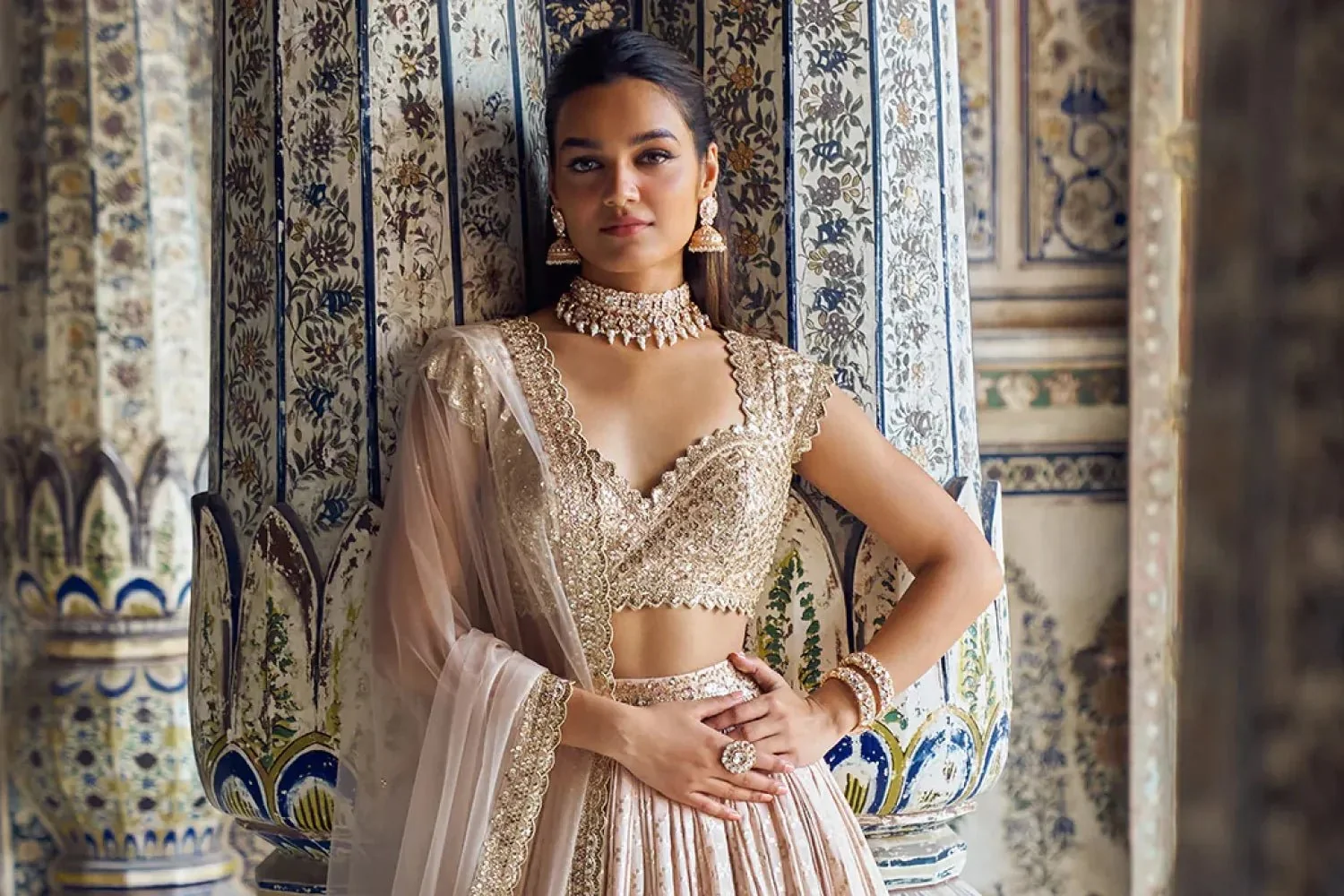
The festive season across South Asia is a vibrant celebration of culture, togetherness, and tradition. Among the most cherished aspects of these celebrations is the opportunity to dress up in exquisite traditional attire. Festivals like Eid and Navratri bring a distinct energy, each calling for a unique blend of elegance, color, and comfort. Choosing the perfect outfit allows you to express your personal style while honoring rich cultural heritage. Exploring the finest Indian ethnic wear offers endless inspiration to ensure you look radiant throughout the festivities.
From the quiet elegance of Eid family gatherings to the high-energy dance nights of Navratri, traditional fashion provides versatility like no other. Understanding how to style different garments, select appropriate fabrics, and pair colors according to the occasion can completely transform your festive experience.
Navigating Festive Style for Eid
Eid is a occasion marked by grace, subtle luxury, and timeless refinement. The fashion choices for Eid often lean toward fluid silhouettes, intricate embroidery, and rich textures that reflect sophistication.
Classic Anarkali Suits and Shararas
For Eid, the classic Anarkali suit remains a timeless favorite. Its sweeping flare and royal presence bring an effortless majesty to morning prayers and afternoon feasts. Flowing fabrics such as silk, georgette, and chiffon adorned with subtle zari work or delicate thread embroidery create a balanced look that is both comfortable and striking.
Another highly popular choice is the Sharara set. Featuring fitted tunics paired with dramatically flared trousers, the Sharara captures a beautiful vintage charm. opting for pastel shades like mint green, soft blush, cream, or icy blue decorated with gota patti or mirror work creates an ethereal aesthetic perfect for daytime celebrations.
Elegant Sarees and Indo-Western Fusion
If you prefer a classic drape, a lightweight saree in organza, silk blend, or tissue provides an understated yet elevated look. Pairing a simple embroidered saree with a contrasting blouse featuring detailed necklines adds modern flair without compromising tradition.
For those who want a modern twist, Indo-Western fusion wear is ideal. Asymmetric kurtas paired with straight-cut trousers, floor-length jacket gowns, or silk capes layered over tailored pants offer contemporary sophistication while maintaining the traditional essence of Indian ethnic wear.
Bright and Energetic Styling for Navratri
Navratri is a vibrant nine-night festival filled with energetic Garba and Dandiya dances. Fashion during Navratri focuses on high visibility, vivid color combinations, dynamic patterns, and freedom of movement.
Traditional Chaniya Cholis
The quintessential outfit for Navratri is the Chaniya Choli. Known for its voluminous skirts, detailed mirror work, and bold color palettes, this ensemble is designed to catch the light with every turn on the dance floor. Combining classic bandhani, patola, or block prints with hand-stitched mirror embroidery reflects authentic regional craft.
Each night of Navratri is often associated with a specific color theme, ranging from fiery reds and vibrant oranges to deep blues and bright yellows. Styling multi-colored dupattas with heavily flared skirts ensures your attire stands out during group dances.
Lightweight Lehenga Sets for All-Night Comfort
Since Navratri involves hours of continuous movement, heavy fabrics can quickly become exhausting. Opting for lightweight cotton, georgette, or rayon lehengas with extensive flair gives the illusion of grand volume without adding unnecessary weight.
Pairing breathable fabrics with comfortable blouses and securing your dupatta firmly across the torso allows you to enjoy the music and dance without needing constant adjustments.
Choosing the Right Fabrics and Color Palettes
Selecting appropriate fabrics and color schemes plays a crucial role in curating your festive wardrobe. Different occasions and times of day demand different fabric choices to maximize both comfort and visual impact.
Daytime Elegance versus Evening Glamour
For daytime functions during Eid or afternoon Navratri rituals, lightweight and breathable fabrics like chanderi, cotton silk, organza, and linen blends work best. Soft pastels, delicate neutrals, and cool tones reflect sunlight beautifully while keeping you cool.
When transitioning to evening celebrations, rich fabrics such as velvet, raw silk, brocade, and heavy georgette take center stage. Deep jewel tones like emerald green, royal blue, ruby red, and deep plum paired with metallic gold or silver accents highlight the luxury of traditional craftsmanship under evening lights.
Breathability and Ease of Movement
Festivals involve prolonged social interactions, dining, and dancing. Ensuring your chosen garments allow easy movement is essential. A well-tailored fit around the shoulders and waist prevents discomfort, while breathable lining materials keep sensitive skin comfortable throughout long hours of wear.
Accessorizing Festive Outfits for Maximum Impact
No traditional attire is complete without the right accessories. Jewelry, footwear, and handbags serve as the finishing touches that tie an entire ensemble together.
Statement Jewelry Pieces
For Eid ensembles, subtle and ornate jewelry works best. Polki earrings, pearl chokers, delicate passas or jhumar headpieces, and stacked bangles elevate the elegance of suit sets and sarees.
For Navratri, bold oxidized silver jewelry is the ultimate choice. Chunky neckpieces, oversized jhumkas, metallic armlets, and stacked ankle bells enhance the rustic, energetic aesthetic of mirror-work Chaniya Cholis.
Footwear and Functional Bags
When participating in Navratri dances, comfortable footwear is non-negotiable. Embellished juttis, cushioned block heels, or embroidered flats ensure you remain stylish without sacrificing comfort. For Eid, sleek mules or embellished sandals complement floor-length suits effortlessly.
Completing your look with a structured potli bag or a embroidered clutch allows you to keep essential items close at hand while maintaining a cohesive look.
Final Styling Tips for the Festive Season
Planning your wardrobe in advance helps avoid last-minute stress and allows time for custom tailoring and alterations. Pre-draping dupattas, breaking in new shoes before the event, and layering garments according to the weather ensure a seamless festive experience.
Blending timeless craftsmanship with modern comfort allows you to celebrate with confidence. Embracing versatile silhouettes, striking color choices, and appropriate accessories ensures your collection of Indian ethnic wear leaves a lasting impression throughout Eid, Navratri, and beyond.