
Driving a vehicle with a manual transmission offers a unique sense of control, connection, and engagement that automatic transmissions simply cannot replicate. Shifting through the gears manually allows drivers to feel the rhythm of the road, manage engine power precisely, and often enjoy better fuel efficiency. However, the complex mechanical components that make manual shifting possible—such as the clutch disc, pressure plate, throwout bearing, synchronizers, and gear shifting linkages—are subjected to significant wear and tear over time. This is especially true when navigating the intense heat, heavy urban traffic, and sprawling highways of the Valley of the Sun. When components begin to wear down, your car will start giving you distinct warning signals that it is time to seek professional intervention. Ignoring these early signs can quickly transform a minor, affordable adjustment into a catastrophic and expensive transmission failure. Whether you are driving a daily commuter car, a sporty weekend vehicle, or managing a fleet of work trucks that require commercial transmission repair near me, recognizing the symptoms of transmission trouble early can save you time, stress, and money.
Understanding the Manual Transmission System
To fully appreciate why manual transmissions require specialized attention, it helps to understand how the system operates. Unlike automatic transmissions that rely on complex hydraulic fluid systems and torque converters to shift gears automatically, a manual transmission relies heavily on the driver and a direct mechanical linkage. When you press down on the clutch pedal, you disengage the engine from the transmission, interrupting the transfer of power to the wheels. This allows you to move the shift lever into a different gear, engaging a specific gear set via synchronizers that match the rotational speeds of the shafts before locking them into place. Because so many moving parts are constantly interacting under immense physical pressure, friction, heat, and mechanical stress, components eventually degrade. In a harsh climate like Phoenix, where ambient temperatures soar during the summer months, transmission fluid can break down faster, accelerating wear on internal bearings and seals. Knowing what warning signs to look out for ensures that you can address these issues before they strand you on the side of a busy freeway.
Common Warning Signs Your Manual Transmission Needs Help
Your car is remarkably good at communicating when something is wrong, provided you are paying attention to its cues. Manual transmissions rarely fail without giving you plenty of warning signs beforehand. Being vigilant about changes in how your car feels, sounds, or smells can help you catch problems early.
Strange Noises When Shifting or Idling
One of the most common indicators that your manual transmission requires professional evaluation is the presence of unusual noises. If you hear a grinding sound every time you attempt to shift gears, it is a classic sign that the synchronizers are worn out or that the clutch is not fully disengaging. When the clutch disc continues to spin even after the pedal is depressed, the gears clash violently instead of meshing smoothly.
Additionally, if you hear a humming, buzzing, or whirring noise when the vehicle is in neutral with the engine running, but the noise disappears when you press down on the clutch pedal, the issue is likely a failing throwout bearing or input shaft bearing. These noises should never be ignored, as they indicate internal mechanical distress that will only worsen with continued driving.
Burning Smells Emanating from the Hood
A distinct, unpleasant burning smell is another critical warning sign that demands immediate attention. If you notice an odor that resembles burning carpet or hot rubber after driving, it is frequently caused by an overheated clutch. This overheating typically occurs when the clutch disc is slipping excessively against the pressure plate and flywheel. Slippage can be caused by a misadjusted clutch cable, worn friction material on the disc, or leaking engine oil and transmission fluid contaminating the clutch surface. Continuing to drive with a slipping clutch will rapidly destroy the remaining friction material and can even warp or crack your flywheel, drastically increasing the eventual repair bill.
A Spongy, Sticky, or Loose Clutch Pedal
The physical feel of your clutch pedal is a direct reflection of your hydraulic or mechanical clutch actuation system. Under normal conditions, the pedal should offer consistent, predictable resistance throughout its travel.
If your clutch pedal feels unusually soft, spongy, or sinks all the way to the floorboard without returning, you likely have a hydraulic leak in the master cylinder or slave cylinder, or air trapped in the hydraulic lines.
Conversely, if the pedal feels extremely stiff, hard to press down, or gets stuck midway, it usually points to a mechanical binding issue within the linkage, a faulty pressure plate, or a failing cable. Any significant change in pedal behavior means your vehicle is due for a professional inspection.
Transmission Slipping Out of Gear
Have you ever been driving along smoothly only for your car to suddenly pop out of gear and jump back into neutral? This dangerous phenomenon is known as transmission slipping. It occurs when the gears fail to stay securely locked together due to worn-out gear teeth, damaged synchronizers, worn detent springs, or excessive wear within the shift linkage. Transmission slipping not only makes driving frustrating and unpredictable, but it can also lead to hazardous situations if you suddenly lose power while trying to accelerate or merge in fast-moving traffic. If your car refuses to stay in gear, it requires professional diagnosis right away.
Difficulty Shifting Gears
The act of moving your gear shifter should be relatively smooth and effortless. If you find yourself having to force, wrestle, or jiggle the shifter to get the car into first gear or reverse, you are experiencing shifting resistance. This problem can stem from several sources, including low or degraded transmission fluid, a failing clutch that is not releasing completely, worn shifter bushings, or internal mechanical damage. Trying to force a stubborn shifter will only accelerate the wear on your linkage and internal components, making the problem progressively worse.
The Importance of Professional Expertise in Phoenix
When manual transmission problems arise, attempting a DIY fix or relying on a general-purpose mechanic without specific drivetrain expertise can lead to costly mistakes. Modern manual transmissions, while simpler than automatics, still require specialized tools, precise diagnostic equipment, and deep mechanical knowledge to service correctly. Furthermore, driving conditions in Phoenix present unique challenges to vehicle powertrains. The extreme summer heat places an extraordinary thermal load on transmission fluids and seals, making routine fluid checks and high-quality replacements essential.
Professional technicians who specialize in manual transmissions understand the intricate tolerances required to rebuild or repair gearboxes, replace clutches accurately, and service hydraulic systems. Whether you drive a compact foreign car, a heavy-duty pickup truck, or operate commercial vehicles essential for your business operations, finding trusted professionals ensures the job is done right the first time. For local business owners and fleet managers facing drivetrain downtime, finding reliable commercial transmission repair near me is vital to keeping operations running smoothly and minimizing costly business interruptions.
Preventive Maintenance Tips to Extend Transmission Life
While knowing the signs of failure is crucial, proactive maintenance can prevent many of these issues from developing in the first place. By adopting a few healthy driving habits and keeping up with routine service intervals, you can significantly extend the lifespan of your manual transmission system.
Avoid Resting Your Hand on the Shifter
Many manual drivers develop the habit of resting their hand on the gear shifter while driving. While it may feel comfortable, this puts continuous, unnecessary pressure on the selector fork and internal synchronizer rings. Over thousands of miles, this minor pressure causes premature wear on the mating surfaces, leading to loose linkage and eventual gear pop-outs. Keep both hands on the steering wheel unless you are actively changing gears.
Do Not Ride the Clutch
“Riding the clutch” refers to resting your foot lightly on the clutch pedal while driving. Even slight pressure can partially disengage the clutch disc, causing it to slip against the flywheel and generate excessive heat and friction. Always remove your foot completely from the clutch pedal and place it on the footrest once you have finished shifting.
Change Your Transmission Fluid Regularly
Just like engine oil, manual transmission fluid degrades over time due to heat, friction, and microscopic metal shavings from normal gear wear. Fresh fluid lubricates bearings, cushions gear teeth, and keeps operating temperatures under control. Consult your owner’s manual for recommended fluid change intervals, or have a professional inspect your fluid condition, especially if you frequently drive in heavy stop-and-go city traffic or haul heavy loads in the Phoenix heat.
Address Small Issues Immediately
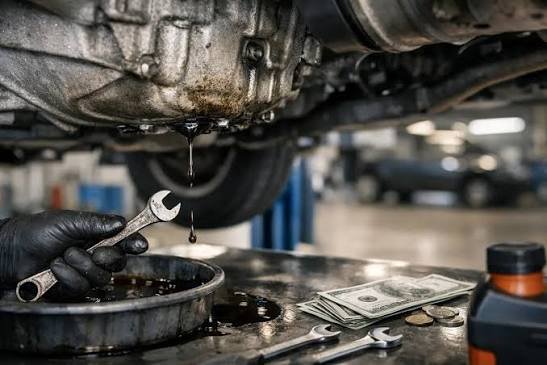
Small transmission issues never fix themselves; they only compound over time. A minor fluid leak that leaves a few drops on your driveway can quickly lead to low fluid levels, causing internal components to run dry and weld themselves together. If you notice a small puddle, an unusual squeak, or a slight shift in how your car feels, schedule an inspection promptly to prevent a minor fix from turning into a major overhaul.
Conclusion
Your manual transmission is a finely tuned mechanical system that provides an unmatched connection to your driving experience. By remaining vigilant and watching out for warning signs such as grinding noises, burning smells, spongy clutch pedals, gear slippage, and shifting resistance, you can catch mechanical problems early. Taking swift action when these symptoms appear protects your vehicle, ensures your safety on the road, and saves you from exorbitant repair bills down the line. Whether you need routine maintenance or complex diagnostic work for your personal car or business vehicles, trusting experienced professionals ensures your transmission remains reliable for miles to come.