
Introduction
Technology has become an important part of everyday life, changing how people communicate, work, exercise, and manage their daily routines. Among the most exciting developments in modern technology is the growth of smart wearables. These devices combine compact hardware, sensors, wireless connectivity, and software to provide useful information directly from accessories that people can wear. From fitness trackers and smartwatches to smart rings and specialized health-monitoring devices, wearable technology continues to introduce new ways to interact with digital services.
Unlike traditional electronic gadgets, smart wearables are designed to fit naturally into everyday activities. They can track movement, monitor selected health-related measurements, display notifications, record workouts, and help users understand their habits. Some devices also support contactless payments, navigation, communication, and connections with smart home systems.
As the market expands, consumers have more options than ever before. Understanding the differences between wearable devices can help people choose products that suit their lifestyles, preferences, and budgets. Platforms such as colmi.store provide a starting point for exploring smart rings and other wearable technology, allowing interested shoppers to investigate available designs and features.
This guide explains how smart wearables work, explores their major categories, examines their benefits and limitations, and discusses the innovations that may shape their future.
What Are Smart Wearables?
Smart wearables are electronic devices designed to be worn on the body while performing digital functions. They typically use sensors, processors, software, and wireless communication to collect information or provide convenient access to technology.
These devices come in different forms, including watches, rings, bracelets, glasses, clothing, and specialized accessories. Their functions depend on the hardware and software included in each product.
For example, a fitness tracker may count daily steps and estimate activity levels, while a smartwatch may combine those functions with notifications, applications, and communication tools. A smart ring can offer a more discreet design while providing selected tracking features without requiring a large screen.
Most smart wearables connect to smartphones through Bluetooth or another supported wireless technology. A companion application may display collected information, organize activity records, present trends, and allow users to adjust device settings.
However, not every wearable offers the same capabilities. Sensor quality, battery capacity, software compatibility, water resistance, and available features vary between models. Understanding these differences is essential when comparing products.
Fitness Trackers: A Practical Introduction to Wearable Technology
Fitness trackers are among the most familiar examples of smart wearables. They are generally designed to help users understand their movement and exercise habits through accessible daily measurements.
Step Counting and Activity Tracking
Many fitness trackers use motion sensors to estimate steps and identify periods of movement. The collected information can help users recognize patterns in their daily activity.
For instance, someone who spends much of the day sitting may use a tracker to notice how frequently they walk or take movement breaks. Daily summaries can provide a simple way to review habits and establish realistic activity goals.
Step counts are estimates rather than perfect measurements. Device placement, movement patterns, and the tracking algorithm can affect accuracy.
Workout Monitoring
Depending on the model, a fitness tracker may support walking, running, cycling, and other exercise modes. Some devices estimate workout duration, distance, pace, and energy expenditure.
These measurements can help users review exercise sessions and follow changes in their routines over time. More advanced models may include GPS functionality or connect to a smartphone for location-based tracking.
Users should remember that calorie calculations and other estimated measurements are not exact. They are most useful as general indicators rather than definitive assessments of physical performance.
Sleep Tracking
Certain fitness trackers estimate sleep duration and identify broad sleep patterns using movement and other available sensor information.
Sleep summaries may help users notice changes in bedtime consistency or sleeping schedules. Nevertheless, consumer wearables cannot always identify sleep stages accurately, and their estimates should not replace professional assessment when someone has ongoing sleep concerns.
For many people, the greatest value of a fitness tracker lies in making everyday habits easier to observe.
Smartwatches: More Than Timekeeping Devices
Smartwatches extend wearable technology beyond basic activity tracking. They combine the familiar functions of a wristwatch with digital communication, applications, and other connected services.
Notifications and Communication
A smartwatch can display incoming calls, messages, calendar reminders, and application notifications. Some models allow users to respond to messages, answer calls, or interact with a voice assistant.
These capabilities can be convenient during a walk, commute, or busy working day. Instead of reaching for a smartphone every time a notification arrives, users can check selected information from their wrists.
Advanced communication features depend on the specific model, smartphone compatibility, and whether the watch supports independent cellular connectivity.
Applications and Digital Services
Some smartwatches support third-party applications for navigation, music control, productivity, weather information, and other everyday tasks.
A user might check a meeting reminder, control music during a workout, or view directions while walking through an unfamiliar area.
Application availability differs significantly across operating systems and manufacturers. Before purchasing a smartwatch, it is worth checking whether its software supports the services that matter most.
Health and Activity Features
Depending on the hardware, smartwatches may include heart-rate sensors, workout tracking, sleep estimates, and other health-related functions.
Certain models also offer specialized features such as electrocardiogram recording or notifications related to selected measurements. Availability varies by device, region, and applicable regulatory requirements.
These tools can provide useful information, but consumer wearable readings are not substitutes for medical diagnosis. Anyone concerned about symptoms should seek appropriate medical advice rather than relying exclusively on a smartwatch.
Smart Rings: Compact Technology for Everyday Life
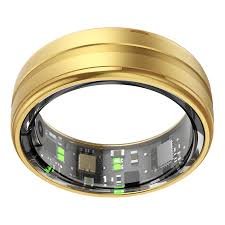
Smart rings represent an alternative approach to wearable technology. Instead of placing electronics on the wrist, these devices incorporate selected sensors into a small ring-shaped accessory.
Their compact form appeals to users who prefer a discreet wearable or do not want to wear a smartwatch throughout the day.
A Minimalist Design
One of the main attractions of smart rings is their relatively unobtrusive appearance. Many models resemble conventional jewelry, allowing users to incorporate technology into their daily outfits without a prominent screen.
A smart ring can be suitable for people who prefer simple accessories, although comfort depends on ring size, shape, material, and individual preferences.
Because a ring must fit securely to collect useful sensor readings, sizing deserves particular attention. Buyers should follow the manufacturer’s sizing instructions rather than assume that their usual jewelry size will provide the correct fit.
Activity and Wellness Tracking
Depending on the model, a smart ring may track movement, estimate heart rate, record sleep-related information, and provide other wellness measurements.
The information is commonly transferred to a smartphone application for review. Users can examine summaries and trends without needing to interact with a screen on the ring itself.
Smart rings differ considerably in their sensors and supported functions. Some prioritize sleep and recovery estimates, while others emphasize everyday activity tracking or additional connected features.
When browsing options through colmi.store, shoppers can investigate the specifications of available smart rings and compare their features with personal requirements. Product descriptions should be reviewed carefully because capabilities differ from one model to another.
Smart Rings Versus Smartwatches
Neither device is automatically better for everyone. The right choice depends on how someone intends to use wearable technology.
Smartwatches are often more suitable for people who want a visible display, communication tools, applications, and convenient access to digital information.
Smart rings may be preferable for those who prioritize a compact design, discreet tracking, and minimal interaction with a screen.
Battery life also varies by product. A ring’s smaller size does not guarantee longer battery life, just as a larger smartwatch does not necessarily provide more reliable tracking.
Comparing actual specifications, comfort, charging requirements, and software support is more useful than choosing a device based on appearance alone.
How Smart Wearables Work
Although wearable devices look different, many rely on similar underlying technologies.
Sensors and Data Collection
Sensors are responsible for collecting information about movement and selected physical measurements.
Accelerometers measure changes in movement, while gyroscopes detect rotational motion in devices that include them. Optical sensors can estimate heart rate by detecting changes in light absorption associated with blood flow.
Some wearables include temperature sensors, barometers, GPS receivers, or additional components for specialized purposes.
The availability of these sensors varies. A product should not be assumed to support a particular measurement unless the manufacturer lists that feature.
Software and Data Processing
Sensors produce raw information that must be interpreted by software. Algorithms process these readings to estimate activity, sleep patterns, workout statistics, or other metrics.
For example, a device can combine movement data with timing information to estimate when someone is active or resting.
The quality of the final result depends on sensor design, device placement, algorithm performance, and the circumstances in which the wearable is used.
This explains why two devices may report slightly different results even when worn by the same person.
Smartphone Connectivity
Many wearables connect to companion applications through Bluetooth. Once connected, the application can synchronize data, display reports, update device settings, and install supported firmware updates.
Some devices store information temporarily and synchronize it later, while others depend more heavily on an active connection.
Before buying a wearable, users should check smartphone operating-system requirements, application availability, account requirements, and whether the device supports their preferred phone.
The Benefits of Smart Wearables
Smart wearables can offer practical advantages when their functions match the user’s needs.
Greater Awareness of Daily Habits
Tracking everyday activity can make routines more visible. Users may discover that they walk more on certain days, exercise more consistently when they schedule workouts, or have irregular sleeping patterns.
This information can encourage small, manageable adjustments. However, wearable metrics should support a balanced lifestyle rather than create unnecessary pressure to achieve arbitrary numbers.
Convenient Access to Information
Wrist-based notifications and discreet tracking devices reduce the need to interact constantly with a smartphone.
A quick glance at a smartwatch may be enough to check a reminder, while a smart ring can collect selected measurements without requiring a screen.
The convenience depends on the product’s software, battery performance, and connection reliability.
Support for Personal Goals
Wearable applications often allow users to review activity history and establish personal targets. Seeing progress over time can make it easier to maintain consistent routines.
Goals should remain flexible and appropriate to individual circumstances. Missing a target on one day does not automatically indicate a problem, and rest can be an important part of a balanced routine.
Personalization and Everyday Convenience
Many devices support customizable notifications, watch faces, activity settings, and other preferences.
This flexibility allows people to adjust their wearables around their schedules instead of adapting their entire routines to a device.
Limitations and Challenges to Consider
Despite their advantages, smart wearables have limitations that consumers should understand before purchasing.
Measurement Accuracy
Wearable readings are estimates, and accuracy varies by feature and device. Movement can interfere with optical heart-rate readings, while sleep estimates may not always reflect actual sleep stages.
Users should evaluate trends over time instead of assuming that every measurement is exact.
Battery Life and Charging
Small wearable devices have limited space for batteries. Frequent notifications, continuous sensor use, bright displays, GPS, and other demanding functions can increase energy consumption.
Battery life claims should be evaluated in the context of the manufacturer’s testing conditions. Actual performance may differ depending on settings and usage.
Privacy and Data Security
Wearables can collect personal information about activity, sleep, and other measurements. Some applications store information in cloud services or share selected data with connected platforms.
Before using a device, review its privacy policy, application permissions, account security options, and data-sharing controls.
Choose a strong account password, keep device software updated, and disable permissions that are unnecessary for your intended use.
Compatibility and Long-Term Support
A wearable may depend on a particular application or smartphone operating system. Changes to software support can affect its long-term usefulness.
Check whether the manufacturer provides firmware updates, application support, replacement accessories, and clear guidance about compatibility.
A device with attractive features may not be a good purchase if its software is difficult to use or its essential services are unavailable on your phone.
How to Choose the Right Smart Wearable
Selecting the right wearable starts with identifying the problem you want the device to solve.
Define Your Main Purpose
If your primary interest is basic movement tracking, a simple fitness tracker may provide all the functions you need. If you want notifications, applications, and convenient communication, a smartwatch may be more appropriate.
If you prefer discreet everyday tracking without a large screen, consider whether a smart ring offers the measurements and design you want.
Avoid paying for advanced functions that you are unlikely to use.
Compare Essential Features
Create a short list of requirements before comparing models. Important considerations may include:
- Supported activity and wellness measurements.
- Battery life and charging method.
- Smartphone and application compatibility.
- Water resistance and recommended usage conditions.
- Comfort, materials, and sizing.
- Subscription requirements and additional costs.
- Warranty, return policy, and software support.
These factors often matter more over the long term than the number of features advertised on the product page.
Establish a Realistic Budget
Wearables are available at different price levels. More expensive devices may include additional sensors, advanced displays, GPS, or broader application support, but a higher price does not guarantee that every function will be more accurate or useful.
Compare the total cost, including potential subscriptions, accessories, and replacement charging equipment.
For shoppers exploring smart rings, colmi.store can serve as a reference point for checking available products and reviewing the features listed for individual models. Always verify the current specifications and purchase terms before making a decision.
Prioritize Comfort and Ease of Use
A wearable should fit naturally into everyday life. Consider whether its size, weight, material, and charging routine suit your preferences.
A device that feels uncomfortable or requires constant attention may eventually be left unused, regardless of how many features it offers.
Whenever possible, read product documentation and independent reviews to understand practical strengths and limitations.
The Future of Smart Wearable Technology
Wearable technology continues to evolve as sensors become smaller, processing systems become more efficient, and software improves its ability to interpret collected information.
More Personalized Insights
Future devices may provide increasingly personalized summaries by analyzing long-term patterns and allowing users to compare information across different activities.
Software could help people recognize changes in their routines and organize information more effectively. These insights will still depend on data quality, responsible interpretation, and clear explanations of uncertainty.
Improved Battery Efficiency
Battery performance remains an important design challenge. Advances in low-power processors, sensor management, and wireless communication may help some future devices operate longer between charges.
Manufacturers will continue to balance size, performance, battery capacity, and the number of supported features.
Greater Integration Between Devices
Smart rings, watches, phones, and other connected products may increasingly work together through shared applications and communication standards.
For example, a wearable could collect selected activity information while a smartphone presents more detailed reports. The success of this integration will depend on compatibility, privacy protections, and the willingness of manufacturers to support open standards.
More Thoughtful and Accessible Designs
Wearable technology is also likely to explore a wider range of styles, materials, sizes, and interaction methods.
Smart rings demonstrate how digital features can be incorporated into compact accessories. Other products may continue to reduce the need for screens while maintaining convenient access to information.
The most useful developments will not necessarily be the most complicated. Devices that are comfortable, reliable, accessible, and transparent about their limitations may provide greater everyday value than products overloaded with unnecessary functions.
Conclusion
Smart wearables have developed from basic step counters into a diverse category of connected devices that support activity tracking, digital communication, personal organization, and selected wellness measurements.
Fitness trackers provide straightforward activity summaries, smartwatches combine tracking with communication and applications, and smart rings offer a compact alternative for users who prefer discreet technology. Each category has different strengths, limitations, and ideal use cases.
Understanding how sensors work, how applications process information, and how privacy and compatibility affect everyday use can help consumers make informed decisions. It is equally important to compare battery performance, comfort, measurement limitations, and long-term support before purchasing a device.
For people exploring wearable technology, colmi.store offers a place to investigate smart ring options and review product specifications. By focusing on practical requirements instead of marketing claims alone, shoppers can identify a wearable that fits their preferences and budget.
Ultimately, smart wearables are most valuable when they make everyday tasks simpler, provide useful information, and fit comfortably into existing routines. As technology advances, these devices will likely become more integrated into daily life while offering increasingly convenient ways to interact with the digital world.