
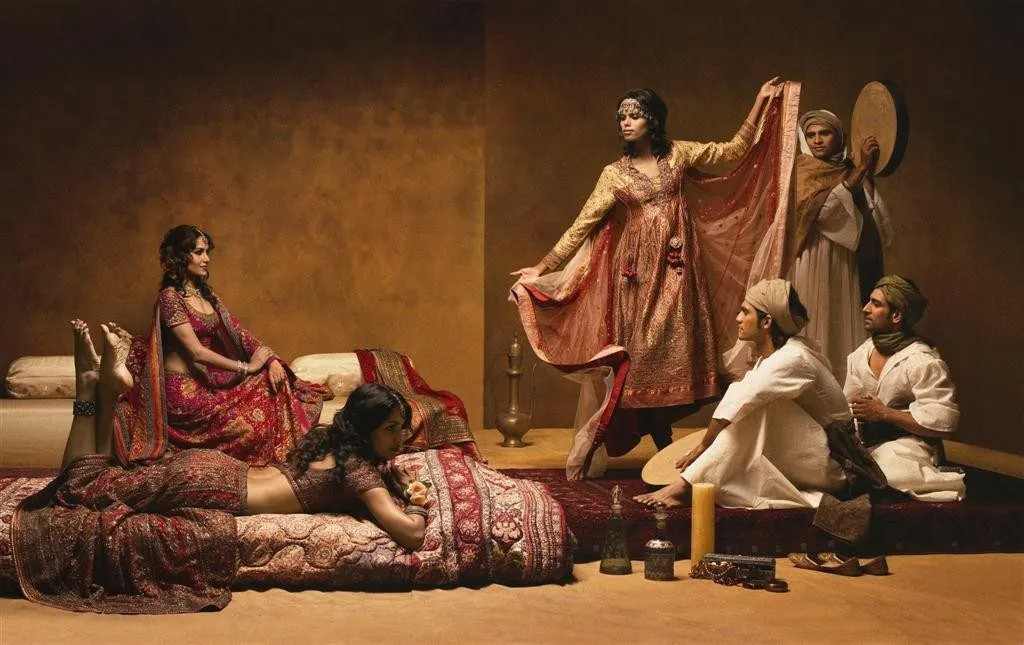
Indian ethnic wear is known for its regal silhouettes, intricate embroidery, and rich textiles. From flowing lehengas to heavily pleated sarees and ankle-length anarkalis, traditional Indian attire carries grandeur and effortless elegance. However, for petite women, navigating these voluminous fabrics can sometimes feel daunting. The goal when dressing a petite frame in Indian ethnic wear is not to shrink your personality, but to create visual length, streamline your silhouette, and avoid letting heavy fabrics submerge your natural height.
With a few strategic styling techniques, tailored cuts, and mindful embellishment choices, you can wear any traditional ensemble with confidence and poise. Here is your definitive guide to mastering Indian ethnic wear for petite proportions.
Mastering Silhouettes and Tailoring
The foundation of a flattering petite look lies in the silhouette. Excess volume and unbalanced proportions can shorten your frame, whereas structured and clean cuts create an elongated illusion.
Opt for Vertical Lines and Monochromatic Sets
Monochromatic outfits are a secret weapon for petite frames. When your top, bottom, and dupatta belong to the same color family, it creates an uninterrupted vertical line from head to toe. This continuous color column tricks the eye into perceiving extra height. If you want to introduce contrast, do so subtly through jewelry or small borders rather than starkly dividing your top and bottom halves with completely different colors.
Choose High-Waisted Bottoms
Whether you are wearing a lehenga, a pair of palazzos, or a sharara, always opt for a high-waisted fit. Positioning the waistband slightly above your natural waist visually lengthens your legs. For lehengas, pair a high-waisted skirt with a well-fitted crop blouse to show just a hint of midriff, keeping the overall proportions balanced and chic.
Choose the Right Kurta Silhouette
When selecting a kurta, pay close attention to length and cuts:
- Straight-Cut Kurtas: A knee-length or calf-length straight kurta with side slits is extremely flattering. It offers a clean, narrow line that creates an instant height boost.
- A-Line Kurtas: A gentle A-line silhouette provides structure without adding excess volume at the hips.
- Anarkalis with Vertical Kalis: If you love anarkalis, select designs with vertical panels (kalis) that start high near the empire waist rather than broad flares starting lower down.
Fabric Selection and Print Scale
The weight, drape, and pattern scale of your Indian ethnic wear play a massive role in how the outfit settles on a petite body. Heavy, stiff materials tend to flare outward, adding unwanted bulk, while fluid fabrics hug the frame gracefully.
Pick Lightweight and Fluid Fabrics
Heavy brocades, rigid stiff silks, and thick velvet can overwhelm a smaller frame. Instead, embrace fabrics that drape softly along your body contours:
- Georgette and Chiffon: Lightweight and flowing, these fabrics add movement without bulk.
- Crepe and Chanderi: Ideal for structured yet breathable kurtas and sarees.
- Organza and Soft Silk: Choose lightweight silks and soft organza with minimal stiff netting so the silhouette stays manageable.
Keep Prints and Borders Proportional
Large, oversized floral prints or broad motif designs can easily engulf a petite figure. Instead, choose delicate bootis, intricate vertical threadwork, or micro-prints. Similarly, pay attention to borders on sarees, lehengas, and dupattas. Broad, thick borders cut your height visually, whereas thin, delicate borders (patti borders) preserve length and elegance.
Navigating Saree Drapes for Petite Frames
The saree is one of the most versatile forms of Indian ethnic wear, but heavy pleating can sometimes swallow a petite silhouette. A few tweaks to your draping technique can completely transform your look.
Sleek Pleating Over Heavy Drapes
Opt for a neatly pleated pallu pinned securely at the shoulder rather than a floating open drape that adds volume across the torso. Sleek pleats create a strong vertical element down the front of your body.
Modern Draping Style and Sleek Petticoats
Traditional flared cotton petticoats add unnecessary bulk around the hips. Swap them for shapewear skirts or slim-fit satin petticoats that sit flush against your skin. Additionally, consider pre-stitched or belt-accentuated saree styles to keep the drape crisp and secure.
Smart Styling and Accessory Choices
Once you have chosen the right outfit, accessorizing thoughtfully completes the look without cluttering your overall frame.
Necklines that Elongate
Necklines draw immediate attention to your upper body. Deep V-necks, sweethearts, and narrow U-necks expose the collarbone and create vertical length down the neck and chest. Avoid extremely high crew necks or heavy mandarin collars with dense embroidery, as they can shorten the neck area.
Strategic Dupatta Placement
A broad, heavily embroidered dupatta draped horizontally across the chest can visually cut your torso in half. Instead, try these flattering dupatta drapes:
- One-Side Shoulder Drape: Let the dupatta fall freely down one side to form a long vertical line.
- Neck Drape with Minimal Fabric: Fold the dupatta narrowly so it rests lightly across the back of the neck, letting the ends cascade down the front.
- Belted Dupatta: Cinch your dupatta at the waist with a thin, sleek belt to define your waistline and prevent the fabric from puffing out.
Footwear and Jewelry
- Footwear: Pointed-toe heels, nude pumps, or sleek embellished juttis help extend the line of your legs. Avoid thick ankle straps, which visually sever the ankles.
- Jewelry: Less is often more. If you choose a statement choker, keep your earrings minimal. Long sleek earrings (danglers) or a statement necklace paired with simple studs will complement your features without cluttering your neckline.
Key Mistakes to Avoid
To keep your traditional outfits looking effortless, avoid these common styling pitfalls:
- Excessive Flare: Avoid multi-tiered can-can skirts underneath lehengas that puff out horizontally.
- Overly Broad Borders: Steer clear of saree or dupatta borders wider than two to three inches.
- Clashing Color Blocks: Avoid dividing your outfit into three distinctly different colored sections (e.g., green top, red bottom, yellow dupatta).
- Unfitted Tailoring: Loose, ill-fitted traditional outfits tend to look boxy on smaller frames; precise tailoring around the shoulders and waist is essential.
Confidence is Your Best Accessory
Wearing traditional clothing should feel empowering, regardless of your height. Indian ethnic wear offers endless customizability, making it easy to tailor every piece to your unique proportions. By opting for fluid fabrics, smart vertical lines, high-waisted bottoms, and balanced accessories, you can step out in timeless traditional attire feeling comfortable, confident, and completely yourself.