
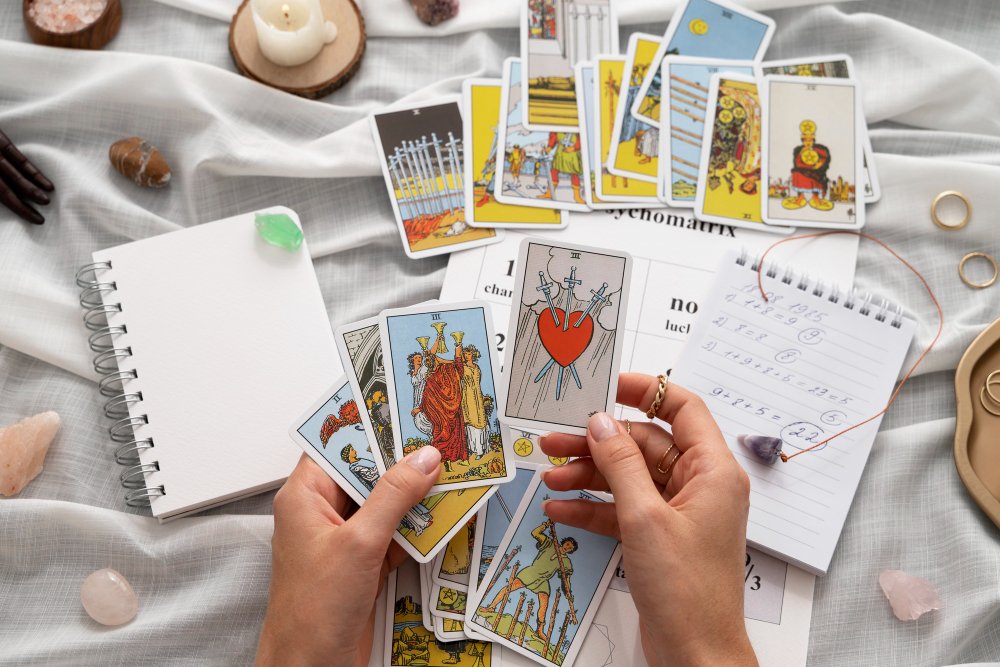
Unlocking the secrets of the tarot deck is a journey of self-discovery, intuition, and profound personal insight. For centuries, tarot cards have served as a reflective mirror for the human psyche, offering clarity during times of uncertainty and revealing hidden pathways toward spiritual growth. Whether you are seeking personal guidance or aspire to read professionally, mastering the art of tarot reading requires more than simply memorizing definitions—it demands a intuitive understanding of the symbolism, structure, and emotional resonance behind every card.
This comprehensive article serves as your foundational guía de cartas tarot, helping you step into the world of divination and learn how to interpret every card with unwavering confidence.
Understanding the Structure of the Tarot Deck
Before diving into individual card meanings, it is essential to understand how a standard tarot deck is constructed. A traditional deck consists of 78 cards divided into two main categories: the Major Arcana and the Minor Arcana.
The Major Arcana: Life’s Spiritual Journey
The Major Arcana contains 22 cards, numbered from 0 (The Fool) to 21 (The World). These cards represent significant life lessons, archetypal experiences, and major spiritual crossroads. When Major Arcana cards appear in a spread, they highlight overarching themes, karmic shifts, and pivotal moments that require deep reflection.
- The Fool’s Journey: The Major Arcana tells a continuous story known as the Fool’s Journey. It begins with total innocence and limitless potential (The Fool) and progresses through trial, illumination, surrender, and ultimate integration (The World).
- Core Themes: High-level energetic forces such as destiny, personal transformation, justice, spiritual enlightenment, and major life transitions.
The Minor Arcana: Daily Experiences and Nuances
The remaining 56 cards form the Minor Arcana. Unlike the grand, sweeping themes of the Major Arcana, these cards address day-to-day circumstances, emotional reactions, mental states, and practical matters.
The Minor Arcana is divided into four distinct suits, each associated with a specific element and area of life:
- Wands (Fire): Passion, creativity, ambition, energy, and willpower.
- Cups (Water): Emotions, relationships, intuition, love, and connection.
- Swords (Air): Intellect, communication, truth, conflict, and thought patterns.
- Pentacles (Earth): Material wealth, career, physical health, stability, and resources.
Each suit contains ten numbered cards (Ace through 10) and four Court cards (Page, Knight, Queen, and King).
Building Your Personal Intuition with Tarot
While consulting a traditional guidebook or a detailed guía de cartas tarot is helpful when starting out, reliance solely on memorized text can make your readings feel clinical or detached. Developing confidence in your tarot practice means bridging the gap between traditional meanings and your own intuitive impression.
First Impression Exercises
When drawing a card, pause before looking up its meaning. Take a few deep breaths and examine the artwork carefully:
- What colors stand out to you immediately?
- What is the posture or expression of the characters portrayed?
- What dynamic or story seems to unfold within the imagery?
- What emotional reaction or memory does the card trigger in your body?
Documenting these immediate impressions in a personal journal helps establish a personal vocabulary with your deck. Over time, you will notice that your initial intuitive hits often align remarkably with traditional card interpretations.
The Power of Keywords
Rather than memorizing lengthy essays for each of the 78 cards, distill each card into three core keywords for upright positions and three for reversed positions. For example:
- The Empress: Abundance, Nurturing, Creativity.
- Three of Swords: Heartbreak, Grief, Mental Clarity.
- Eight of Pentacles: Mastery, Skill Development, Dedication.
This simple framework allows your mind to quickly grasp the core essence of a card during a live reading, freeing up your mental energy to blend the cards together into a cohesive story.
Step-by-Step Guide to Conducting an Insightful Reading
Interpreting cards with confidence comes with structured practice. Following a standard reading process helps quiet anxiety and grounds your intuitive focus.
Creating a Clear Question
The clarity of your answer depends heavily on the clarity of your question. Avoid simple “yes/no” queries or questions that place all your power onto external factors (e.g., “Will I get promoted next month?”). Instead, frame open-ended questions that empower personal action and deeper insight:
- “What energy should I align with to advance my career?”
- “What underlying dynamic is currently influencing my relationship?”
- “How can I heal the creative block I am experiencing?”
Choosing the Right Spread
For beginners, keeping spreads simple prevents cognitive overwhelm.
- One-Card Pull: Excellent for daily inspiration or quick advice on a single focal point.
- Three-Card Spread: Highly versatile. Common configurations include Past/Present/Future, Mind/Body/Spirit, or Situation/Obstacle/Advice.
- The Celtic Cross: A classic ten-card spread suitable for complex, multi-layered situations requiring deep examination.
Connecting the Narrative Across the Spread
The true magic of reading tarot happens when you step away from analyzing cards in isolation and begin weaving them into a connected narrative. A well-rounded guía de cartas tarot emphasizes visual and numerical connections between cards in a single spread.
Spotting Patterns and Dominant Energies
Take a holistic look at the cards on your table and look for repeating elements:
- Suit Dominance: If a spread is heavily dominated by Cups, emotional considerations and relationships take center stage. A high presence of Swords indicates an overthinking mind or verbal conflict.
- Arcana Balance: Multiple Major Arcana cards suggest that the querent is undergoing major, uncontrollable shifts in destiny, whereas a Minor-heavy spread suggests controllable daily scenarios.
- Numerical Cycles: Noticing repeating numbers (such as multiple Aces or multiple Fours) signals specific energetic themes like fresh beginnings or stability and stagnation.
Understanding Card Combinations
Pay attention to how cards interact visually. Do figures in adjacent cards face toward each other or turn away? Does the light in one card seem to flow into the next? Treating the cards as characters in an unfolding script makes interpretations fluid, natural, and memorable.
Embracing Confidence in Every Reading
Confidence does not mean knowing every detail instantly; it means trusting the conversation between your mind, your deck, and your inner wisdom. With patient practice, thoughtful observation, and reference to a reliable guía de cartas tarot, your ability to read the cards will bloom into a life-enriching personal practice. Shuffle your deck with an open mind, trust your intuition, and let every card reveal its timeless story.