
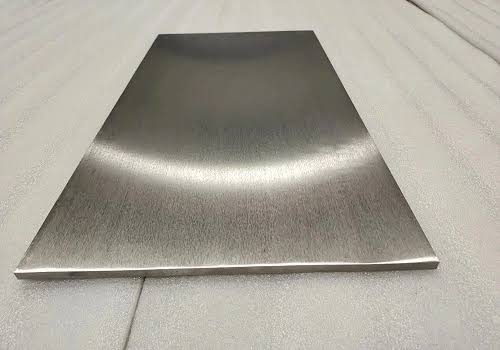
Tantalum Plate is a specialized metal product valued for its exceptional corrosion resistance, high melting point, strength, and reliable performance in demanding industrial environments. As a refractory metal, tantalum can Tantalum Plate withstand extreme temperatures and aggressive chemical conditions where many conventional metals may deteriorate. These properties make tantalum plates an important material for chemical processing, electronics, aerospace, medical equipment, and other advanced industries.
Manufactured in different thicknesses, dimensions, and grades, tantalum plates can be selected according to specific application requirements. Their combination of durability, chemical stability, and thermal performance makes them particularly useful when long service life and material reliability are essential.
Understanding Tantalum Plate
Tantalum Plate is a flat, rolled product manufactured from high-purity tantalum or tantalum alloys. Tantalum is a rare, dense, and ductile metal with a distinctive ability to resist chemical attack. One of its most important characteristics is the formation of a stable oxide layer on its surface. This protective layer helps prevent further corrosion and allows tantalum to perform effectively in highly aggressive environments.
Tantalum plates can be produced using controlled manufacturing processes that provide consistent thickness, surface quality, and dimensional accuracy. Depending on the intended use, plates may undergo rolling, annealing, cutting, polishing, or other finishing operations.
Because tantalum is relatively expensive compared with common engineering metals, it is typically selected for applications where its specialized properties provide significant performance advantages.
Key Properties of Tantalum Plate
The outstanding performance of Tantalum Plate comes from several important physical, mechanical, and chemical characteristics.
Exceptional Corrosion Resistance
Tantalum is highly resistant to corrosion from many acids and aggressive chemicals. This makes tantalum plates particularly valuable in chemical processing equipment where exposure to corrosive substances can damage ordinary metals. The protective oxide layer formed on tantalum contributes significantly to its chemical stability.
High Melting Point
Tantalum has an extremely high melting point of approximately 3,017°C. This allows it to maintain structural stability in many high-temperature applications. Although operating conditions must always be evaluated carefully, its high melting point makes tantalum suitable for specialized thermal environments.
Excellent Chemical Stability
Tantalum demonstrates excellent resistance to many chemical environments. It is especially useful in applications involving strong acids and other aggressive process chemicals. This chemical stability can reduce material degradation and support longer equipment service life.
Good Ductility and Workability
Despite its strength and high-temperature characteristics, tantalum is relatively ductile. It can be rolled, formed, machined, and fabricated using appropriate techniques. This makes it possible to manufacture plates in various shapes and dimensions for specialized industrial requirements.
Strong Thermal Performance
Tantalum maintains useful mechanical and chemical characteristics at elevated temperatures. Its thermal properties make it valuable in applications involving heating, high-temperature processing, and specialized industrial equipment.
Biocompatibility
Tantalum is also recognized for its excellent biocompatibility. As a result, tantalum-based materials are used in selected medical applications where compatibility with the human body is important.
Industrial Applications of Tantalum Plate
The unique properties of Tantalum Plate allow it to serve a wide range of industries.
Chemical Processing
Chemical processing is one of the most important application areas for tantalum. Equipment exposed to highly corrosive chemicals can experience rapid degradation when conventional materials are used. Tantalum plates can provide protective and durable surfaces in equipment such as heat exchangers, reactors, vessels, linings, and other processing components.
Their resistance to aggressive chemical environments helps reduce corrosion-related maintenance and replacement requirements.
Electronics Industry
Tantalum is widely associated with the electronics sector because of its valuable electrical and material characteristics. Tantalum-based components are used in specialized electronic applications, including capacitors and other components where reliability and compact performance are important.
Tantalum plate and sheet materials may also be used in specialized manufacturing and fabrication processes within the electronics industry.
Aerospace and High-Temperature Equipment
The aerospace sector requires materials capable of operating under challenging temperature and environmental conditions. Tantalum’s high melting point and excellent resistance to thermal degradation make it useful in selected aerospace and high-temperature applications.
It can be considered for components and protective materials where conventional metals may not provide sufficient temperature performance.
Medical Applications
Tantalum’s biocompatibility has contributed to its use in medical technology. Specialized tantalum products can be used in implants and other medical components where corrosion resistance and compatibility with biological environments are important.
Semiconductor Manufacturing
Semiconductor manufacturing requires extremely controlled environments and materials capable of maintaining performance under demanding processing conditions. Tantalum products are used in selected semiconductor and vacuum-related applications because of their thermal and chemical properties.
Benefits of Using Tantalum Plate
One of the primary benefits of Tantalum Plate is its ability to deliver dependable performance in environments that are too aggressive for many standard materials. Its corrosion resistance can help extend the operating life of industrial equipment and reduce maintenance requirements.
Another advantage is its high-temperature capability. In applications involving elevated temperatures, tantalum can retain important material characteristics that contribute to dependable operation.
Tantalum also offers excellent dimensional flexibility because plates can be manufactured and processed into different sizes and thicknesses. This allows engineers and manufacturers to select material specifications that match the requirements of a particular project.
Its combination of corrosion resistance, durability, and chemical stability can also contribute to improved equipment reliability. Although the initial material cost can be high, its long service potential may provide value in applications where failure or frequent replacement would be expensive.
Choosing the Right Tantalum Plate
Selecting the appropriate Tantalum Plate requires consideration of several factors. These include material grade, purity, thickness, dimensions, surface condition, mechanical requirements, and operating environment.
The chemical substances that the plate will contact should also be evaluated carefully. Temperature, pressure, fabrication method, and expected service life are additional considerations.
Working with a reliable manufacturer or supplier can help ensure that the selected plate meets relevant dimensional and quality requirements. Proper material certification and quality inspection may also be important for demanding industrial applications.
Manufacturing and Quality Considerations
High-quality tantalum plates require controlled production processes. Manufacturing may include melting, forging, rolling, annealing, cutting, and surface treatment, depending on the required specifications.
Quality control can involve dimensional inspection, surface examination, chemical composition verification, and mechanical testing. For critical applications, manufacturers may provide documentation related to material grade, purity, and production standards.
Consistent manufacturing is especially important because industrial users often require precise dimensions and dependable material performance.
Conclusion
Tantalum Plate is a high-performance material designed for industrial environments where corrosion resistance, chemical stability, high-temperature capability, and long-term reliability are essential. Its unique properties make it useful across chemical processing, electronics, aerospace, semiconductor, and medical applications.
Although tantalum generally has a higher cost than conventional metals, its exceptional performance can make it a practical choice for specialized applications. By selecting the correct grade, dimensions, and specifications, manufacturers can take advantage of tantalum’s durability and resistance in demanding operating conditions. As industries continue to require advanced materials capable of performing in increasingly challenging environments, Tantalum Plate remains an important option for specialized engineering and manufacturing applications.