
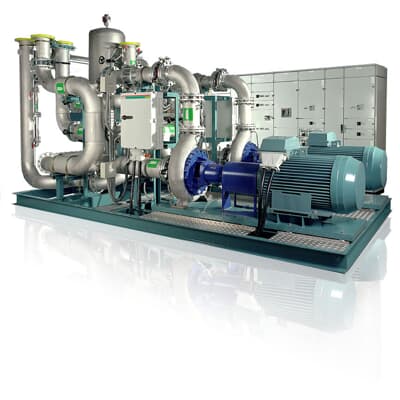
Efficient cooling systems are essential for maintaining comfort, productivity, and energy savings in both residential and commercial spaces. Over time, these systems can lose efficiency due to dust, wear, or improper maintenance. Enhancing your cooling system’s performance not only reduces energy costs but also prolongs the lifespan of the equipment. Here are the top ten tips to ensure your cooling system operates at its peak performance.
Regular Maintenance Checks
Routine maintenance is the cornerstone of a high-performing cooling system. Scheduling professional inspections at least once a year can identify potential problems before they escalate. This includes checking refrigerant levels, examining electrical connections, cleaning coils, and ensuring proper airflow. Consistent maintenance prevents breakdowns and keeps your system running efficiently throughout the year.
Clean or Replace Air Filters
Dirty or clogged air filters are one of the most common causes of poor cooling performance. Filters trap dust, pollen, and other debris, but when overloaded, they restrict airflow. Clean reusable filters regularly or replace disposable ones every 1–3 months depending on usage. This simple step improves air circulation, enhances cooling, and reduces strain on the system.
Optimize Thermostat Settings
Proper thermostat settings can significantly impact energy consumption and cooling efficiency. Avoid setting temperatures too low, as this forces the system to work harder. Programmable thermostats or smart thermostats allow you to set schedules that adjust temperatures automatically based on occupancy, saving energy while maintaining comfort.
Seal Ductwork
Leaky or poorly insulated ducts can reduce the efficiency of cooling systems by allowing cool air to escape before it reaches its destination. Inspect your ductwork for leaks, gaps, or disconnected sections, and seal them using mastic sealant or metal tape. Well-sealed ducts ensure consistent airflow and lower energy costs.
Improve Airflow
Obstructions around vents, registers, or the unit itself can hinder airflow, reducing cooling efficiency. Ensure furniture, curtains, or other objects do not block vents. Ceiling fans can also help distribute air more evenly, reducing the workload on the cooling system and improving overall comfort.
Clean Coils
Evaporator and condenser coils are critical components in cooling systems. Dirt, dust, and grime buildup on coils reduce their ability to absorb and release heat, making the system work harder. Regularly cleaning the coils ensures efficient heat exchange, improves cooling capacity, and prevents energy wastage.
Inspect Refrigerant Levels
Refrigerant is vital for heat transfer in cooling systems. Low refrigerant levels can result from leaks, improper charging, or natural depletion over time, causing poor cooling and increased energy consumption. Only certified technicians should handle refrigerant inspection and recharging to maintain system efficiency and comply with safety regulations.
Upgrade Insulation
A well-insulated home or building reduces the cooling load on your system. Insulate walls, attics, and ceilings to prevent heat from entering during hot months. Proper insulation minimizes the need for constant cooling, which extends the life of your system and reduces utility bills.
Use Energy-Efficient Equipment
Older systems are often less efficient than modern alternatives. Consider upgrading to energy-efficient models with high SEER (Seasonal Energy Efficiency Ratio) ratings. Energy-efficient units consume less electricity while providing superior cooling, making them a smart investment in long-term performance.
Monitor System Performance
Regularly monitoring your system’s performance can help detect issues early. Track energy bills for unusual spikes, listen for strange noises, and observe cooling consistency in different rooms. Early detection of irregularities allows for timely intervention, preventing minor issues from turning into costly repairs.
By implementing these ten tips, you can significantly improve the efficiency and lifespan of your cooling systems. From routine maintenance to strategic upgrades, each step contributes to better airflow, lower energy consumption, and a more comfortable environment. Prioritizing system performance not only saves money but also ensures consistent, reliable cooling throughout the year.