
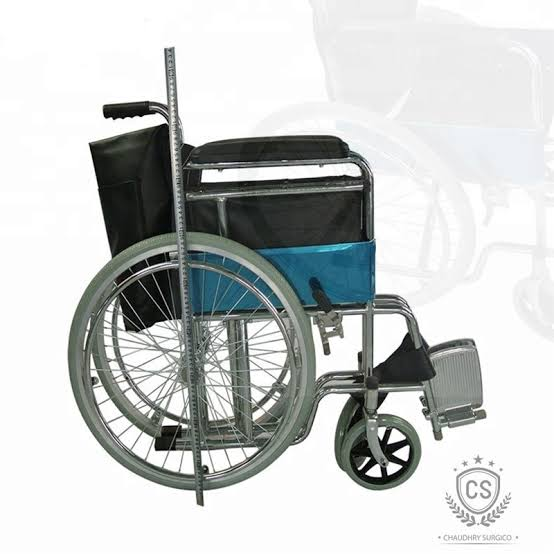
A Folding Wheelchair can make everyday mobility easier by combining practical support, comfortable seating, and convenient portability. Whether it is needed for short trips, shopping, appointments, family outings, or regular indoor movement, choosing the right wheelchair involves more than simply looking at its appearance. Important Folding Wheelchair factors such as frame construction, seat comfort, wheel design, folding mechanism, weight, safety features, and overall maneuverability can significantly affect the user experience.
With many wheelchair models available, understanding the most important features can help users and caregivers make a more informed choice. A well-designed wheelchair should provide dependable support while remaining convenient enough for everyday use.
Comfortable Seating and Proper Support
Comfort is one of the first features to consider when selecting a wheelchair. Since users may spend extended periods sitting in the chair, the seat should provide adequate support without creating unnecessary pressure.
Look for a seat with suitable cushioning and a supportive backrest. The seat width and depth should also be appropriate for the user. A properly sized chair can provide better stability and allow the user to maintain a comfortable sitting position.
Armrests can also contribute to comfort. Depending on the design, padded or ergonomically shaped armrests can provide useful support for the arms while making longer periods of sitting more comfortable.
Lightweight and Durable Frame
The frame plays an important role in both durability and portability. Aluminum and other lightweight materials are commonly used because they can provide a balance between strength and manageable weight.
A lightweight frame can make transportation easier, particularly when the wheelchair needs to be lifted into a vehicle or carried between locations. At the same time, the frame should be strong enough to provide dependable support during regular use.
When comparing different models, check the manufacturer’s recommended weight capacity and construction specifications. Durability should always be considered alongside portability.
Easy Folding Mechanism
One of the main advantages of a folding wheelchair is its ability to become more compact when not in use. A simple folding mechanism can make storage and transportation considerably easier.
A good design should fold smoothly without requiring complicated steps. The folded dimensions are also worth checking because they determine how easily the chair can fit inside a car trunk, storage area, or closet.
For people who frequently travel, a compact folding design can be particularly useful. It can reduce the amount of storage space required while making transportation more convenient.
Wheel Quality and Maneuverability
Wheel design directly affects how easily a wheelchair can move across different surfaces. Larger rear wheels may provide better control and maneuverability for certain users, while smaller wheels can contribute to a more compact design.
Swivel front casters are another important feature because they allow the wheelchair to change direction more easily. Smooth-rolling wheels can make movement more comfortable for both users and caregivers.
Consider where the wheelchair will primarily be used. Indoor environments may require excellent turning ability for navigating hallways and rooms, while outdoor use may require wheels capable of handling sidewalks and other common surfaces.
Reliable Braking System
Safety should always be a major consideration. A dependable braking system helps keep the wheelchair stationary when the user is getting into or out of the chair or when the chair is parked.
For self-propelled models, accessible wheel locks can be especially useful. For transit-style or attendant-propelled models, caregiver-operated brakes may provide additional control.
Users and caregivers should become familiar with the braking system before regular use. Brakes should also be checked periodically to ensure they continue to work properly.
Footrests and Leg Support
Footrests help provide comfortable positioning and support for the legs. Adjustable or removable footrests can be particularly practical because they allow the wheelchair to accommodate different users and situations.
A suitable footrest should allow the feet to rest securely without creating awkward positioning. Some designs also allow the footrests to swing away, making transfers easier.
Proper leg support can contribute to overall comfort, especially during longer periods of use.
Compact Design for Transportation
Portability is an important benefit of a folding wheelchair. A model that folds into a relatively compact size can be easier to transport in cars and store at home.
Before purchasing, consider the chair’s folded dimensions and total weight. If one person will regularly handle the wheelchair, a lighter model may be more convenient.
Carrying handles or other transport-friendly features can also make the folded chair easier to move.
Adjustable Features
Every user has different comfort and mobility requirements, so adjustable components can be valuable. Depending on the model, adjustments may be available for the footrests, armrests, back support, or other components.
Adjustability allows the wheelchair to provide a more personalized fit. However, users should ensure that adjustments are easy to operate and securely lock into position.
A chair with useful adjustment options can provide greater flexibility for everyday activities.
Safety and Stability
A wheelchair should provide a stable platform during normal use. A sturdy frame, reliable brakes, secure footrests, and appropriately sized wheels all contribute to overall stability.
Users should also consider the environment in which the wheelchair will be used. Uneven outdoor surfaces, ramps, thresholds, and crowded indoor areas may require additional attention to maneuverability and safety.
Following the manufacturer’s instructions for safe operation is essential. Users should also avoid exceeding the stated weight capacity.
Maintenance and Long-Term Reliability
A wheelchair that is easy to maintain can remain useful for longer. Regularly inspect the wheels, brakes, frame, folding joints, footrests, and upholstery for signs of wear or damage.
Keeping moving parts clean and checking fasteners periodically can help maintain proper operation. Tires and casters should also be examined regularly, particularly when the wheelchair is used frequently.
Before purchasing, check whether replacement parts and servicing are readily available. Good after-sales support can be valuable if a component eventually needs replacement.
Choosing the Right Folding Wheelchair
Selecting the right wheelchair ultimately depends on the user’s individual needs, environment, and lifestyle. Someone who frequently travels may prioritize lightweight construction and compact folding, while someone who spends significant time seated may place greater importance on cushioning and adjustability.
It is also useful to consider who will operate the wheelchair. Self-propelled models provide users with more independence when appropriate, while attendant-propelled designs may be better suited to situations where a caregiver or family member provides assistance.
The best option is not necessarily the model with the most features. Instead, it should be a chair that combines suitable comfort, safety, portability, durability, and ease of use.
Final Thoughts
A Folding Wheelchair can provide practical mobility support while making transportation and storage easier. When choosing one, pay close attention to seating comfort, frame quality, folding convenience, wheel performance, braking, footrests, portability, adjustability, and safety.
Taking time to compare these features can help users find a wheelchair that fits their everyday requirements. A thoughtfully selected model can make routine mobility more convenient and comfortable while offering dependable support for a wide range of daily activities.